
July 24, 2026
How Risk-Based Classification, Digital Traceability, AI, Blockchain, IoT, and Smart Regulatory Oversight Are Transforming Product Compliance in Vietnam
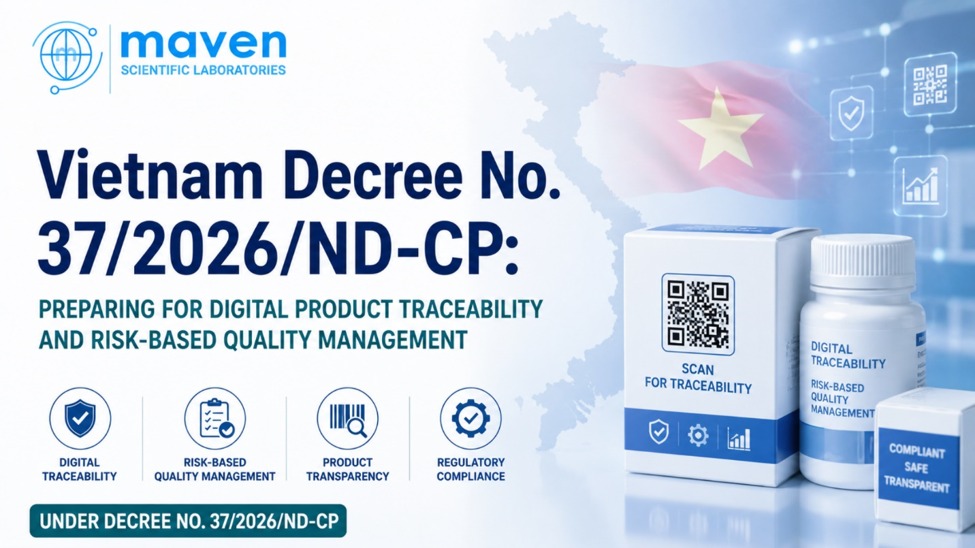
Vietnam is taking a significant step toward the future of product regulation with Decree No. 37/2026/ND-CP, introducing a modern regulatory framework that combines risk-based product classification, mandatory traceability, and digital technologies to strengthen product quality throughout the product lifecycle.
The new framework moves beyond traditional compliance by integrating digital traceability systems, intelligent data sharing, and technology-enabled regulatory oversight. It reflects a broader global trend where regulators are increasingly adopting digital tools to improve transparency, product safety, market surveillance, and regulatory efficiency.
For manufacturers, importers, distributors, and brand owners, the Decree signals the importance of investing in digital quality systems, traceability solutions, and lifecycle compliance to remain competitive in evolving regulatory environments.
Why This Regulation Matters
Product compliance is rapidly evolving from document-based verification to digital, data-driven regulatory oversight.
Vietnam's new framework introduces:
- Risk-based product classification
- Mandatory traceability for high-risk products
- Digital product identification
- Enhanced regulatory oversight
- Improved market surveillance
- Greater supply chain transparency
- Technology-enabled compliance
- Better consumer protection
Organizations that adopt digital compliance strategies early will be better prepared for future global regulatory expectations.
Executive Overview
Decree No. 37/2026/ND-CP establishes a framework designed to improve product quality management through risk-based regulation and digital transformation.
A future-ready compliance program should be:
- Risk-based
- Digitally enabled
- Traceability focused
- Data-driven
- Technology integrated
- Regulatory complaint
- Lifecycle managed
- Inspection ready
- Scalable
- Supported by regulatory intelligence
Understanding Decree No. 37/2026/ND-CP
The Decree introduces a modern approach to product quality management by combining risk classification with digital traceability technologies.
Products will be categorized according to their level of regulatory risk:
- Low risk
- Medium-risk
- High-risk
Higher-risk products will be subject to enhanced regulatory oversight, including mandatory traceability requirements to improve product monitoring throughout the supply chain.
Key Features of the New Framework
1. Risk-Based Product Classification
Products are classified according to their potential risks, allowing regulatory authorities to allocate resources more effectively while focusing oversight on products that present greater safety concerns.
2. Mandatory Digital Traceability
High-risk products must implement traceability mechanisms that enable regulators to monitor products across manufacturing, distribution, and post-market activities.
3. National Digital Traceability System
Vietnam plans to establish a centralized digital traceability platform to facilitate:
- Information sharing
- Regulatory monitoring
- Product authentication
- Supply chain transparency
- Market surveillance
4. Digital Technologies Supporting Compliance
The framework encourages adoption of innovative technologies, including:
- QR Codes
- RFID
- Blockchain
- Artificial Intelligence (AI)
- Internet of Things (IoT)
These technologies can improve traceability, automate data collection, and strengthen regulatory compliance.
Traditional Compliance vs. Digital Compliance
| Traditional Compliance | Digital Compliance |
| Paper-based records | Digital traceability systems |
| Manual inspections | Real-time monitoring |
| Limited product visibility | End-to-end traceability |
| Reactive compliance | Proactive risk management |
| Periodic reporting | Continuous data collection |
| Fragmented information | Connected digital ecosystem |
Technologies Driving Digital Compliance
| Technology | Business Benefit |
| QR Codes | Product identification and authentication |
| RFID | Automated inventory and supply chain visibility |
| Blockchain | Secure, tamper-resistant traceability |
| Artificial Intelligence (AI) | Predictive risk analysis and quality monitoring |
| Internet of Things (IoT) | Real-time product and environmental monitoring |
| Cloud Platforms | Centralized compliance and data management |
Why Digital Traceability Is Becoming a Strategic Priority
Governments worldwide are increasingly adopting digital compliance frameworks to improve:
- Consumer safety
- Product authenticity
- Supply chain transparency
- Regulatory enforcement
- Counterfeit prevention
- Product recall effectiveness
- Cross-border regulatory cooperation
- Data-driven decision making
Digital traceability is becoming a core component of modern regulatory systems.
Building a Digital Compliance Strategy
Organizations should focus on:
- Digital quality management systems
- End-to-end traceability
- Risk-based product governance
- Data standardization
- Digital documentation
- Supply chain visibility
- Regulatory intelligence
- Lifecycle management
Compliance Readiness Assessment
1. Product Classification
Review:
- Product risk categories
- Regulatory obligations
- Product portfolio
- Risk assessments
- Classification documentation
2. Digital Traceability
Assess:
- Product identification systems
- QR code implementation
- RFID capability
- Traceability records
- Supply chain visibility
3. Technology Infrastructure
Evaluation:
- Cloud platforms
- ERP integration
- AI capabilities
- IoT connectivity
- Data management systems
4. Regulatory Compliance
Review:
- Documentation
- Quality procedures
- Inspection readiness
- Reporting processes
- Change management
5. Supply Chain Governance
Assess:
- Supplier qualification
- Product tracking
- Distribution monitoring
- Recall procedures
- Data sharing
Digital Compliance Readiness
| Assessment Area | Objective |
| Product Classification | Risk-based compliance |
| Digital Traceability | End-to-end visibility |
| Technology Infrastructure | Digital transformation |
| Regulatory Processes | Inspection readiness |
| Supply Chain | Improved transparency |
| Data Governance | Better decision-making |
Best Practices
1. Establish Digital Traceability
Implement technologies that enable product identification and lifecycle tracking.
2. Strengthening Quality Systems
Integrate traceability into existing Quality Management Systems.
3. Improve Data Governance
Develop standardized, accurate, and secure data management processes.
4. Promote Cross-Functional Collaboration
Engage:
- Regulatory Affairs
- Quality Assurance
- Manufacturing
- Supply Chain
- IT
- Logistics
- Operations
- Executive Leadership
5. Monitor Regulatory Developments
Track evolving digital compliance requirements across global markets.
Common Challenges
Organizations may encounter:
- Legacy IT systems
- Limited digital infrastructure
- Supply chain complexity
- Data standardization issues
- Integration challenges
- Resource constraints
- Cybersecurity concerns
- Regulatory uncertainty
Common Mistakes
Avoid:
- Delaying digital transformation
- Relying solely on manual records
- Weak traceability controls
- Poor data governance
- Inadequate technology planning
- Ignoring emerging regulatory trends
Digital Compliance Roadmap
| Activity | Frequency | Benefit |
| Review product classifications | Regularly | Regulatory alignment |
| Update traceability systems | Ongoing | Better visibility |
| Assess digital infrastructure | Annually | Technology readiness |
| Monitor regulatory updates | Monthly | Compliance preparedness |
| Train personnel | Annually | Stronger adoption |
| Conduct system audits | Periodically | Continuous improvement |
Future Trends
Emerging developments include:
- AI-assisted regulatory oversight
- Blockchain-enabled supply chains
- Smart product identification
- Digital product passports
- IoT-enabled quality monitoring
- Real-time regulatory reporting
- Predictive compliance analytics
- Global interoperability standards
Business Benefits
| Business Function | Key Benefit |
| Regulatory Affairs | Improved compliance readiness |
| Quality Assurance | Enhanced product traceability |
| Manufacturing | Better process visibility |
| Supply Chain | End-to-end transparency |
| Executive Leadership | Reduced regulatory risk |
| Consumers | Greater product confidence |
Frequently Asked Questions
1. What is Decree No. 37/2026/ND-CP?
It is Vietnam's regulatory framework introducing risk-based product classification and digital traceability to strengthen product quality management.
2. How are products classified?
Products are categorized into low-risk, medium-risk, and high-risk classifications based on regulatory risk.
3. Which products require mandatory traceability?
High-risk products are expected to implement mandatory traceability measures to support lifecycle monitoring and regulatory oversight.
4. Which technologies are encouraged?
The framework promotes the use of:
- QR Codes
- RFID
- Blockchain
- Artificial Intelligence (AI)
- Internet of Things (IoT)
5. Why is digital traceability important?
It improves product transparency, strengthens market surveillance, enhances regulatory oversight, and supports faster responses to quality and safety issues.
6. How can organizations prepare?
- Assess product risk classifications
- Implement digital traceability solutions
- Modernize quality management systems
- Strengthening supply chain visibility
- Invest in digital technologies
- Monitor evolving regulatory requirements
7. How can Maven Regulatory Solutions help?
Maven supports:
- Digital compliance strategy
- Product traceability readiness
- Regulatory gap assessments
- Quality Management System implementation
- Risk-based compliance planning
- Regulatory intelligence
- Lifecycle management
- Digital transformation consulting
- Supply chain compliance
- Inspection readiness
Conclusion
Vietnam's Decree No. 37/2026/ND-CP represents more than a national regulatory update it reflects the growing global shift toward digital, traceable, and intelligence-driven compliance. As regulators increasingly adopt risk-based oversight and advanced technologies, organizations that invest in digital quality systems, product traceability, and data-driven compliance today will be better prepared for the future of global regulatory expectations.
Why Choose Maven Regulatory Solutions?
Maven Regulatory Solutions helps organizations prepare for the next generation of regulatory compliance through digital traceability strategies, Quality Management Systems, regulatory intelligence, product lifecycle management, supply chain compliance, digital transformation consulting, and global regulatory readiness. Our experts support businesses in building scalable, technology-enabled compliance programs that align with evolving international regulations.

Post a comment