
January 05, 2026
know The U.S. cosmetics industry is entering a new era of regulatory oversight following the implementation of the Modernization of Cosmetics Regulation Act (MoCRA). For the first time in modern U.S. cosmetics history, manufacturers, distributors, brand owners, and responsible persons are now legally required to establish structured adverse event reporting and cosmetovigilance systems.
Under MoCRA, the U.S. Food and Drug Administration (FDA) now expect cosmetic companies to maintain robust post-market surveillance processes, manage serious adverse event (SAE) reporting within strict timelines, maintain long-term complaint records, and ensure products are supported by documented safety substantiation.
For global cosmetic brands, importers, contract manufacturers, and e-commerce sellers, MoCRA compliance is no longer optional it is becoming a core operational and market-access requirement.
This comprehensive guide by Maven Regulatory Solutions explains the latest MoCRA adverse event reporting obligations, FDA expectations, operational impacts, and strategic compliance approaches for cosmetics companies operating in the U.S. market.
Understanding MoCRA’s Adverse Event Reporting Framework
The Modernization of Cosmetics Regulation Act (MoCRA) significantly expands FDA oversight over cosmetic products marketed in the United States.
One of the most impactful changes is the mandatory reporting of serious adverse events associated with cosmetic products.
Core Objectives of MoCRA
MoCRA aims to strengthen:
- Consumer safety oversight
- Post-market surveillance
- Product traceability
- Adverse event monitoring
- FDA enforcement authority
- Cosmetic product accountability
The legislation aligns cosmetic safety oversight more closely with established pharmacovigilance and medical device vigilance systems.
What Is a Serious Adverse Event (SAE) Under MoCRA?
Under MoCRA, a serious adverse event includes any cosmetic-related event resulting in:
- Death
- Life-threatening experiences
- Inpatient hospitalization
- Persistent or significant disability
- Congenital anomaly or birth defect
- Infection
- Significant disfigurement
- Serious or persistent rashes
- Second- or third-degree burns
- Significant hair loss
- Persistent alteration of appearance
Events requiring medical or surgical intervention to prevent these outcomes are also considered reportable SAEs.
Why This Definition Matters
The FDA’s definition is significantly broader than historical cosmetic complaint practices and introduces pharmaceutical-style vigilance expectations into the cosmetics sector.
Who Is Responsible for MoCRA Compliance?
MoCRA places primary obligations on the:
Responsible Person
The “Responsible Person” refers to:
- The manufacturer
- Packer
- Distributor
whose name appears on the cosmetic product label.
This entity becomes legally responsible for:
- SAE intake
- FDA reporting
- Record retention
- Safety documentation
- Consumer communication mechanisms
- Inspection readiness
Outsourcing manufacturing does not transfer regulatory responsibility.
FDA Serious Adverse Event Reporting Timelines
Mandatory Reporting Requirements
| Requirement | Timeline |
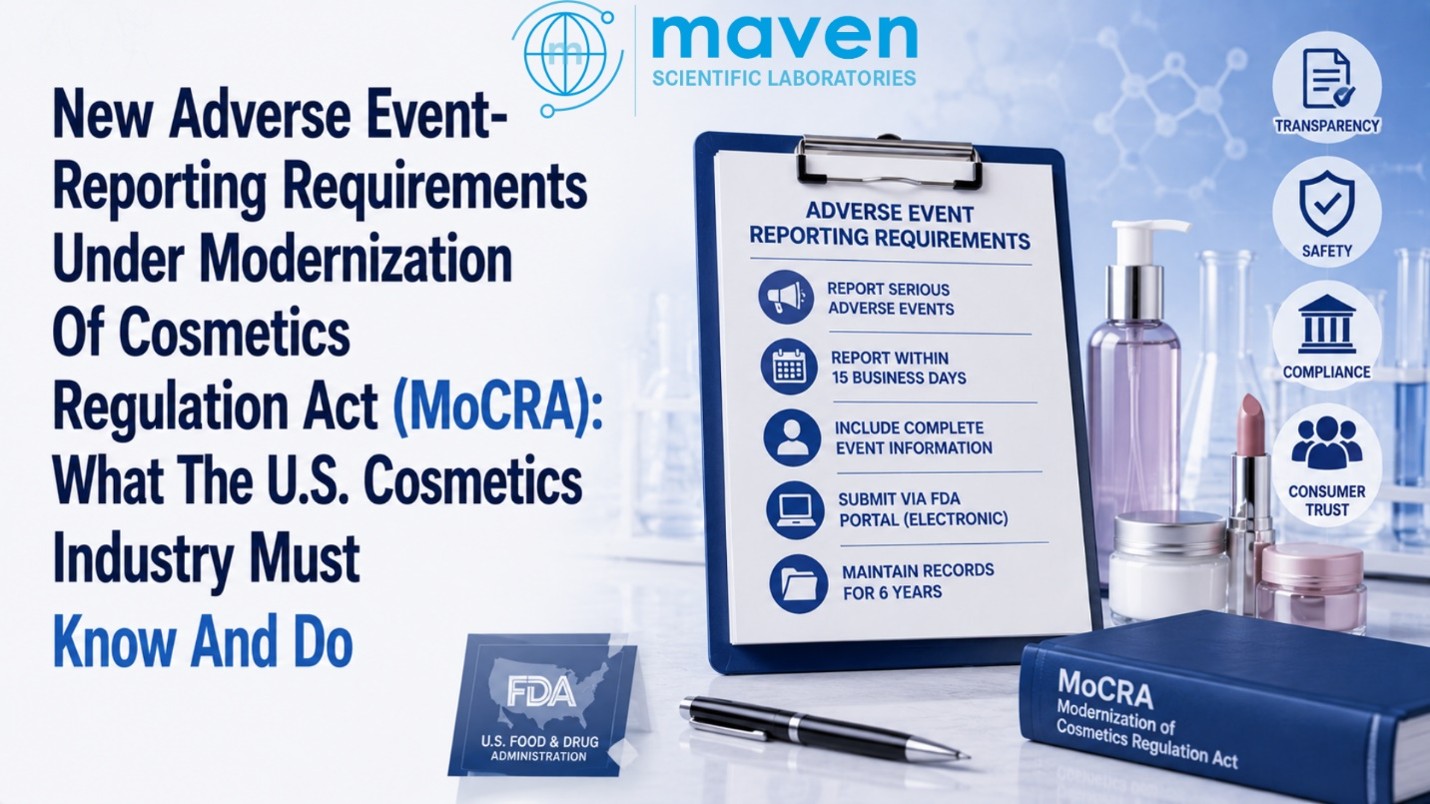
| Initial SAE report to FDA | Within 15 business days |
| Follow-up information submission | Within 15 business days of receipt |
| Retention of adverse event records | 6 years (3 years for small businesses) |
The FDA expects rapid escalation, investigation, and documentation workflows.
Information Required in SAE Reports
FDA submissions must include comprehensive and traceable safety data.
Required Reporting Elements
- Patient or consumer information
- Detailed event description
- Product name and SKU
- Lot or batch information (if available)
- Product usage conditions
- Medical treatment details
- Product label copy
- Supporting documentation or images
- Follow-up investigation information
Companies may include statements disputing causality; however, reports still become part of FDA safety records.
Record-Keeping & Consumer Contact Obligations
Record Retention Expectations
Responsible people must maintain records for:
- Serious adverse events
- Non-serious adverse events
- Complaint investigations
- Follow-up communications
- Corrective actions
These records must remain accessible during FDA inspections.
Labeling & Consumer Contact Requirements
Cosmetic labels must include:
- Domestic U.S. address
- Domestic phone number
- Electronic contact information (website/email)
This information must allow consumers and healthcare professionals to report adverse events directly.
Broader MoCRA Regulatory Implications
MoCRA extends beyond adverse event reporting and introduces wider operational obligations.
Additional MoCRA Requirements
| Requirement Area | Regulatory Impact |
| Facility registration | Mandatory FDA registration |
| Product listing | Annual product listing obligations |
| Safety substantiation | Scientific evidence required |
| Good Manufacturing Practices (GMPs) | FDA GMP framework expansion |
| Mandatory recall authority | FDA enforcement enhancement |
These requirements collectively increase the need for integrated cosmetovigilance systems.
Why Cosmetovigilance Is Becoming Essential
Modern cosmetics compliance now depends on structured post-market surveillance systems.
Key Cosmetovigilance Functions
- Complaint intake
- SAE triage
- Signal detection
- Trend analysis
- Root-cause investigation
- CAPA management
- FDA reporting workflows
- Safety data traceability
Companies lacking centralized vigilance systems may face:
- Reporting delays
- Data inconsistencies
- Inspection findings
- Increased recall risk
- Reputational damage
Operational Challenges Under MoCRA
Many organizations struggle with:
Common Compliance Gaps
- No centralized adverse event intake system
- Weak SAE escalation procedures
- Manual complaint tracking
- Inconsistent documentation
- Delayed FDA submissions
- Poor traceability
- Insufficient staff training
- Fragmented quality and regulatory workflows
As FDA scrutiny increases, these weaknesses create substantial regulatory exposure.
Strategic Steps for MoCRA Compliance
1. Identify The Responsible Person
Confirm which legal entity appears on product labeling and holds FDA obligations.
2. Establish Adverse Event Intake Systems
Develop documented workflows for:
- Complaint receipt
- Event assessment
- Seriousness determination
- Escalation
- FDA submission
3. Train Teams On SAE Recognition
Personnel must understand:
- FDA SAE definitions
- Reporting timelines
- Documentation standards
- Escalation triggers
4. Implement Secure Record Management
Maintain ready inspection records with:
- Audit trails
- Access controls
- Traceable workflows
- Long-term retention capability
5. Strengthen Trend Analysis & Signal Detection
Use complaint data proactively to identify:
- Emerging safety risks
- Ingredient concerns
- Product quality issues
- Recall indicators
Impact On Global Cosmetic Brands & Importers
MoCRA significantly affects non-U.S. manufacturers exporting cosmetics into the U.S.
Import & Global Brand Considerations
Global companies must ensure:
- U.S. responsible person designation
- Product listing compliance
- SAE intake capability
- FDA-ready documentation
- Complaint handling systems
- Cross-border traceability
Importers and distributors may also face increased customs and inspection scrutiny.
Future Trends in Cosmetic Safety Regulation
Several regulatory trends are accelerating globally.
Emerging Industry Trends
- Expansion of mandatory cosmetovigilance
- Increased FDA inspection activity
- Greater digital safety monitoring expectations
- AI-assisted adverse event analysis
- Enhanced global post-market surveillance alignment
- Integration of safety analytics into product lifecycle management
The cosmetics industry is rapidly moving toward data-driven safety governance.
Quick Regulatory Facts
- MoCRA introduces mandatory SAE reporting for cosmetics
- SAE reports must be submitted within 15 business days
- Records must be retained for up to 6 years
- FDA now has mandatory recall authority
- Cosmetic facility registration is mandatory
- Product listing obligations now apply
- Safety substantiation documentation is required
- Cosmetovigilance systems are becoming essential
Why MoCRA Compliance Matters
Organizations failing to modernize cosmetic safety systems may face:
- FDA warning actions
- Product recalls
- Import holds
- Inspection observations
- Consumer litigation exposure
- Brand reputation damage
- Increased operational disruption
Proactive cosmetovigilance readiness strengthens both compliance and long-term consumer trust.
How Maven Regulatory Solutions Supports MoCRA Compliance
Our Services
- MoCRA compliance gap assessments
- Cosmetic adverse event reporting systems
- Cosmetovigilance workflow implementation
- SAE triage and reporting strategy
- FDA inspection readiness support
- Complaint handling SOP development
- Safety substantiation consulting
- Labeling and product listing compliance
- Global cosmetovigilance integration support
Why Choose Maven
- Deep U.S. cosmetics regulatory expertise
- Practical cosmetovigilance implementation strategies
- Inspection-focused compliance approach
- Global post-market surveillance experience
- Strong documentation and workflow capabilities
- Risk-based cosmetic compliance solutions
Learn more at Maven Regulatory Solutions
Preparing For MoCRA Adverse Event Reporting Compliance?
Whether you are establishing a cosmetovigilance system, preparing FDA-compliant SAE workflows, strengthening complaint management, or aligning global cosmetic safety programs with MoCRA requirements, Maven Regulatory Solutions can help.
Contact Maven Regulatory Solutions For:
- MoCRA compliance consulting
- Cosmetic SAE reporting systems
- FDA-ready cosmetovigilance workflows
- Complaint handling program design
- Cosmetic safety documentation support
- Readiness preparation inspection
- Product listing and facility registration support
Visit Maven Regulatory Solutions to connect with our cosmetic regulatory compliance experts.
Conclusion
MoCRA’s adverse event reporting framework represents one of the most significant regulatory transformations in modern U.S. cosmetic regulation.
As FDA expectations evolve toward structured post-market surveillance and real-time safety oversight, cosmetic companies must transition from reactive complaint handling to proactive cosmetovigilance management.
Organizations implementing robust adverse event reporting systems, centralized safety workflows, and inspection-ready documentation frameworks will be better positioned to maintain regulatory compliance, protect consumers, and strengthen long-term brand trust in the increasingly regulated global cosmetics market.
Frequently Asked Questions
Q1. What is considered a serious adverse event under MoCRA?
Serious adverse events include death, hospitalization, significant disfigurement, infection, life-threatening experiences, and other medically serious outcomes associated with cosmetic use.
Q2. How quickly must SAE reports be submitted to the FDA?
Responsible people must submit serious adverse event reports within 15 business days of receiving the information.
Q3. Are non-serious adverse events reportable to the FDA?
Mandatory FDA reporting currently applies only to serious adverse events, but all complaints must still be documented and retained.
Q4. How long must cosmetic adverse event records be retained?
Most companies must retain records for 6 years. Small businesses may qualify for a 3-year retention period.
Q5. Does MoCRA apply to international cosmetic brands?
Yes. Any cosmetic product marketed in the U.S. must comply with MoCRA requirements.
Q6. What contact information must appear on cosmetic labels?
Labels must include a domestic U.S. address, phone number, or electronic contact information for adverse event reporting.
Q7. How can Maven help with MoCRA compliance?
Maven supports cosmetovigilance implementation, SAE reporting systems, FDA inspection readiness, complaint handling workflows, and full MoCRA regulatory alignment.

Post a comment