Loading Image
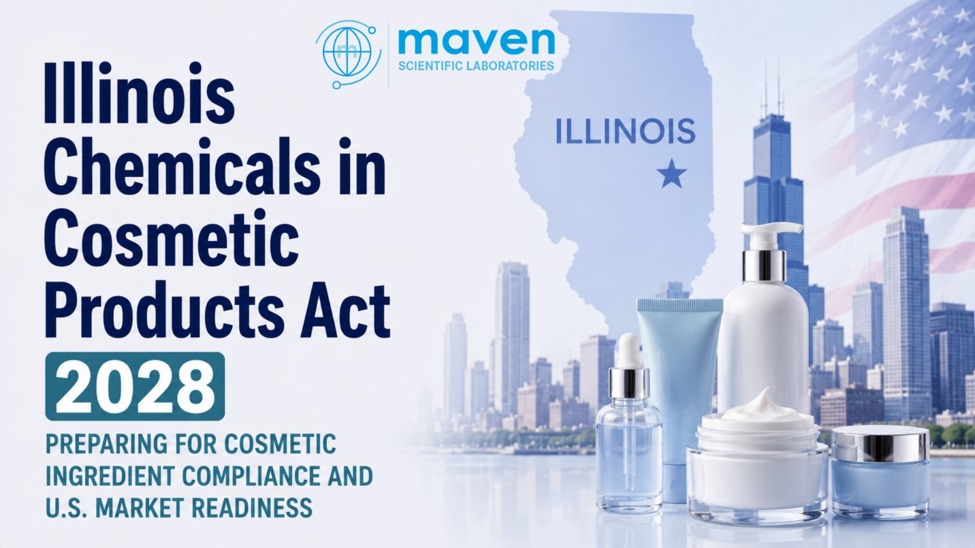
Illinois Chemicals In Cosmetic Products Act 2028: Preparing For Cosmetic Ingredient Compliance And U.S. Market Readiness

August 18, 2026

Post a comment

Your email address will not be published.

Tags

Illinois Chemicals In Cosmetic Products Act 2028: Preparing For Cosmetic Ingredient Compliance And U.S. Market Readiness

August 18, 2026

How the Illinois Chemicals in Cosmetic Products Act, Restricted Cosmetic Ingredients, PFAS Compliance, Safer Formulations, Supply Chain Due Diligence, and Regulatory Intelligence Are Shaping Cosmetic Compliance in Illinois

Illinois has enacted the Chemicals in Cosmetic Products Act, introducing one of the most significant state-level cosmetic ingredient restrictions in the United States. Beginning July 1, 2028, cosmetic products manufactured, distributed, or sold in Illinois may not contain 24 specifically identified intentionally added chemicals, including formaldehyde, mercury, certain phthalates, parabens, and per- and polyfluoroalkyl substances (PFAS).

The legislation reflects the growing trend of state-level chemical regulations designed to improve consumer safety while encouraging manufacturers to adopt safer formulations and stronger product stewardship practices. Cosmetic companies should proactively evaluate ingredient portfolios, reformulate affected products where necessary, strengthen supplier verification programs, and enhance regulatory intelligence to ensure continued market access.

The law also provides a limited exemption for technically unavoidable trace quantities when manufacturers can demonstrate that products were manufactured using processes intended to comply with the Act.

Why Illinois Cosmetic Chemical Compliance Is a Strategic Priority

Illinois joins a growing number of U.S. states implementing stricter chemical safety requirements for cosmetic products.

Several factors are driving these regulatory developments:

  • Increasing consumer demand for safer cosmetic ingredients 
  • Greater regulatory scrutiny of endocrine-disrupting chemicals 
  • Expanded restrictions on PFAS ("forever chemicals") 
  • Growing concern regarding cumulative chemical exposure 
  • Increased transparency expectations 
  • Stronger Environmental Protection Initiatives 
  • Expansion of state-specific cosmetic regulations 
  • Increased supply chain accountability 

Failure to prepare may result in:

  • Product reformulation delays 
  • Distribution restrictions 
  • Product withdrawals 
  • Supply chain disruptions 
  • Increased compliance costs 
  • Product relabeling requirements
  • Retail compliance challenges 
  • Enforcement actions 
  • Reputational risks 
  • Delayed product launches 

Ingredient compliance has become a strategic business priority for cosmetic manufacturers operating in the U.S. market.

Executive Overview

Successful compliance with the Illinois Chemicals in Cosmetic Products Act requires more than reviewing ingredient labels. Organizations should establish an integrated compliance program combining:

  • Ingredient compliance assessments 
  • Restricted substance management
  • PFAS compliance programs 
  • Supplier qualification 
  • Raw material verification 
  • Regulatory intelligence 
  • Product reformulation 
  • Product safety assessments 
  • Labeling review 
  • Quality management systems 
  • Change control 
  • Lifecycle management 

Companies implementing these capabilities can reduce compliance risks while maintaining uninterrupted market access.

Understanding the Illinois Chemicals in Cosmetic Products Act

The Illinois Chemicals in Cosmetic Products Act prohibits the intentional addition of 24 specified chemicals in cosmetic products manufactured or sold within the state beginning July 1, 2028.

The legislation applies broadly to cosmetic products including:

  • Skin care products 
  • Hair care products 
  • Makeup 
  • Personal hygiene products 
  • Fragrances 
  • Nail products 
  • Oral care products 
  • Bath products 
  • Beauty products 

The Act aims to reduce consumer exposure to chemicals associated with:

  • Carcinogenicity 
  • Reproductive toxicity 
  • Endocrine disruption 
  • Bioaccumulation 
  • Environmental persistence 
  • Developmental toxicity 

Key Compliance Requirements

RequirementObjective
Restricted ingredient complianceEliminate prohibited intentionally added substances
Supplier verificationConfirm raw material compliance
Product reformulationReplace restricted ingredients
Quality documentationDemonstrate regulatory compliance
Manufacturing controlsPrevent contamination
RecordkeepingSupport inspections
Regulatory monitoringTrack future amendments

Restricted Cosmetic Ingredients

Beginning July 1, 2028, intentionally added cosmetic ingredients cannot include certain prohibited substances, including:

  • Formaldehyde 
  • Mercury 
  • Certain phthalates 
  • Certain parabens 
  • PFAS substances 
  • Additional chemicals specifically identified by the Act 

Manufacturers should verify ingredient declarations throughout the supply chain to identify affected formulations.

Products Potentially Affected

The legislation may impact:

  1. Skin Care Products 

Creams, lotions, moisturizers, serums, sunscreens, cleansers.

  1. Hair Care Products 

Shampoos, conditioners, styling products, hair treatments.

  1. Color Cosmetics 

Foundation, lipstick, mascara, blush, eye makeup.

  1. Personal Care Products 

Deodorants, soaps, body washes, shaving products.

  1. Fragrance Products 

Perfumes, body sprays, scented cosmetics.

Ingredient Compliance Assessment

Organizations should conduct comprehensive ingredient reviews covering:

  • Raw materials 
  • Fragrance components 
  • Preservatives 
  • Color additives 
  • Processing aids 
  • Packaging interactions 
  • Supplier disclosures 
  • Safety documentation 
  • Certificates of analysis 
  • Technical data sheets 

Comprehensive ingredient assessments help identify products requiring reformulation before enforcement begins.

PFAS Compliance

PFAS substances continue to receive increased regulatory attention globally.

Manufacturers should evaluate:

  • Raw material composition 
  • Supplier declarations 
  • Laboratory testing (where appropriate) 
  • Manufacturing contamination risks 
  • Packaging materials 
  • Process controls 
  • Alternative ingredient options 
  • Documentation supporting compliance 

Robust PFAS management programs help reduce regulatory and commercial risk.

Supply Chain Due Diligence

Manufacturers should strengthen supplier oversight by implementing:

  • Supplier qualification programs
  • Ingredient disclosure requirements 
  • Compliance certifications 
  • Change notification procedures 
  • Material traceability 
  • Audit programs 
  • Risk assessments 
  • Documentation reviews 

Strong supplier management supports ongoing regulatory compliance.

Manufacturing Controls

Companies should ensure manufacturing systems include:

  • Ingredient verification 
  • Batch Record Review 
  • Quality control testing 
  • Cross-contamination prevention 
  • Change management 
  • CAPA programs 
  • Documentation controls 
  • Personnel training 
  • Risk management 
  • Internal audits 

Effective manufacturing controls reduce compliance risks.

Limited Trace Quantity Exemption

The Illinois law recognizes a limited exemption for technically unavoidable trace quantities of restricted substances when products are manufactured using processes intended to comply with the Act.

Organizations should maintain documentation demonstration:

  • Good manufacturing practices 
  • Supplier verification 
  • Process controls 
  • Reasonable compliance efforts 
  • Investigation of contamination sources 

Appropriate documentation may support reliance on this exemption where applicable.

Product Reformulation Strategy

Organizations may need to:

  1. Identify affected products 
  2. Evaluate restricted ingredients
  3. Assess alternative materials 
  4. Validate reformulated products 
  5. Update technical documentation 
  6. Review of product claims 
  7. Confirm product performance 
  8. Update manufacturing procedures
  9. Verify supplier compliance 
  10. Maintain changing records 

Regulatory Intelligence

Organizations should continuously monitor:

  • Illinois regulatory updates 
  • Additional state cosmetic laws 
  • FDA cosmetic developments 
  • MoCRA implementation 
  • Ingredient safety assessments 
  • PFAS regulations 
  • International cosmetic regulations 
  • Scientific developments 

Regulatory intelligence enables proactive compliance planning.

Documentation Requirements

Companies should maintain documentation supporting:

  • Ingredient inventories 
  • Supplier declarations 
  • Product formulations 
  • Risk assessments 
  • Laboratory reports 
  • Compliance reviews 
  • Reformulation records 
  • Manufacturing controls 
  • Change management 
  • Regulatory assessments 

Proper documentation strengthens inspection readiness.

Digital Compliance

Organizations increasingly benefit from:

  • Digital ingredient databases 
  • Regulatory information management systems 
  • Supplier portals 
  • Product lifecycle management systems 
  • Compliance dashboards 
  • Automated change tracking 
  • Digital documentation 
  • Regulatory intelligence platforms 

Digital transformation improves compliance efficiency.

Common Challenges

Organizations frequently encounter:

  • Complex ingredient supply chains 
  • Incomplete supplier information
  • Reformulation timelines 
  • Alternative ingredient selection 
  • PFAS identification 
  • Documentation gaps 
  • Multi-state compliance 
  • Label updates 
  • Portfolio management 
  • Resource limitations 

Readiness Assessment

Assessment AreaObjective
Ingredient ReviewIdentify restricted substances
Supplier ComplianceVerify raw materials
Product ReformulationReplace prohibited ingredients
Quality SystemsEnsure manufacturing compliance
DocumentationSupport inspections
Regulatory IntelligenceMonitor regulatory updates
Lifecycle ManagementMaintain ongoing compliance
TrainingImprove organizational readiness

Best Practices

Organizations should:

  • Conduct comprehensive ingredient inventories 
  • Review supplier documentation early 
  • Develop product reformulation strategies 
  • Strengthening supplier communication 
  • Maintain robust quality systems
  • Monitor Illinois regulatory updates 
  • Implement management procedures
  • Standardize compliance documentation 
  • Train cross-functional teams 

Common Mistakes

Avoid:

  • Delaying ingredient assessments
  • Relying solely on supplier statements 
  • Incomplete documentation 
  • Weak change management 
  • Insufficient reformulation planning 
  • Limited regulatory monitoring 
  • Poor supplier communication 
  • Delayed compliance preparation 

Compliance Roadmap

ActivityFrequencyBenefit
Ingredient reviewAnnuallyEarly compliance identification
Supplier verificationOngoingSupply chain confidence
Regulatory monitoringMonthlyRegulatory readiness
Product reviewBefore launchMarket compliance
Internal auditsPeriodicallyInspection readiness
Employee trainingAnnuallyImproved compliance capability

Future Trends

Emerging developments include:

  • Expansion of state cosmetic chemical regulations 
  • Increased PFAS restrictions 
  • Stronger ingredient transparency 
  • Safer cosmetic formulations 
  • Enhanced supply chain traceability 
  • Greater digital compliance tools 
  • Increased regulatory harmonization 
  • Expanded chemical disclosure requirements 
  • Risk-based ingredient evaluations 
  • Stronger sustainability initiatives 

Business Benefits

Business FunctionKey Benefit
Regulatory AffairsReduced compliance risk
Research & DevelopmentSafer formulations
QualityStronger manufacturing controls
ProcurementImproved supplier oversight
Supply ChainBetter traceability
CommercialContinued market access
Executive LeadershipLower regulatory risk

Frequently Asked Questions

1. What are the Illinois Chemicals in Cosmetic Products Act?

A state law prohibits the intentional addition of 24 specified chemicals in cosmetic products manufactured or sold in Illinois beginning July 1, 2028.

2. When does the law become effective?

The ingredient restrictions take effect on July 1, 2028.

3. Which chemicals are restricted?

The Act identifies 24 intentionally added chemicals, including formaldehyde, mercury, certain phthalates, parabens, and PFAS substances.

4. Does the law include PFAS?

Yes. Certain intentionally added PFAS substances are included among the restricted ingredients.

5. Is there an exemption for trace amounts?

Yes. The law provides a limited exemption for technically unavoidable trace quantities in products manufactured through processes intended to comply.

6. Which products are affected?

A wide range of cosmetic products including skin care, hair care, makeup, fragrances, and personal care products.

7. Why is supplier verification important?

Supplier documentation helps manufacturers verify ingredient compliance and support regulatory records.

8. How can companies prepare?

By reviewing formulations, verifying suppliers, strengthening documentation, planning reformulations, and monitoring regulatory updates.

9. What are the biggest compliance challenges?

Ingredient transparency, reformulation, PFAS management, supplier verification, and multi-state regulatory compliance.

10. How can Maven Regulatory Solutions help?

Maven supports:

  • Cosmetic regulatory strategy 
  • Ingredient compliance assessments 
  • Product reformulation support 
  • Supplier compliance reviews 
  • PFAS compliance 
  • Gap assessments 
  • Regulatory intelligence 
  • Quality documentation 
  • Lifecycle management 
  • Global Cosmetic Regulatory Consulting 

Conclusion

The Illinois Chemicals in Cosmetic Products Act represents a significant milestone in U.S. cosmetic chemical regulation. Companies should begin preparing well before the July 1, 2028, enforcement date by evaluating product formulations, strengthening supplier oversight, implementing comprehensive documentation practices, and monitoring evolving regulatory requirements.

Organizations that invest in proactive ingredient compliance, product reformulation, regulatory intelligence, and lifecycle management will be better positioned to reduce regulatory risk, maintain uninterrupted market access, and meet growing consumer expectations for safer cosmetic products.

Why Choose Maven Regulatory Solutions?

Maven Regulatory Solutions provides end-to-end regulatory support for cosmetic manufacturers navigating evolving U.S. cosmetic regulations. Our expertise includes ingredient compliance assessments, restricted substance evaluations, PFAS compliance strategies, supplier verification, product reformulation support, regulatory intelligence, quality documentation, lifecycle management, and global cosmetic regulatory consulting. We help organizations achieve compliance efficiently while supporting successful market access and long-term regulatory readiness.

Post a comment

Your email address will not be published.

G

Make an enquiry
Lets start the conversation!
Sign up to our newsletter
To explore career opportunities with us.
wp-icons-link