
June 24, 2026
Understanding FDA's Proposed Front-of-Pack Nutrition Labeling Rule, Compliance Timelines, and Best Practices for Food Manufacturers
As the U.S. food industry prepares for one of the most significant labeling changes in recent years, the FDA's proposed Front-of-Pack (FOP) Nutrition Labeling Rule is expected to reshape how nutrition information is presented on packaged foods.
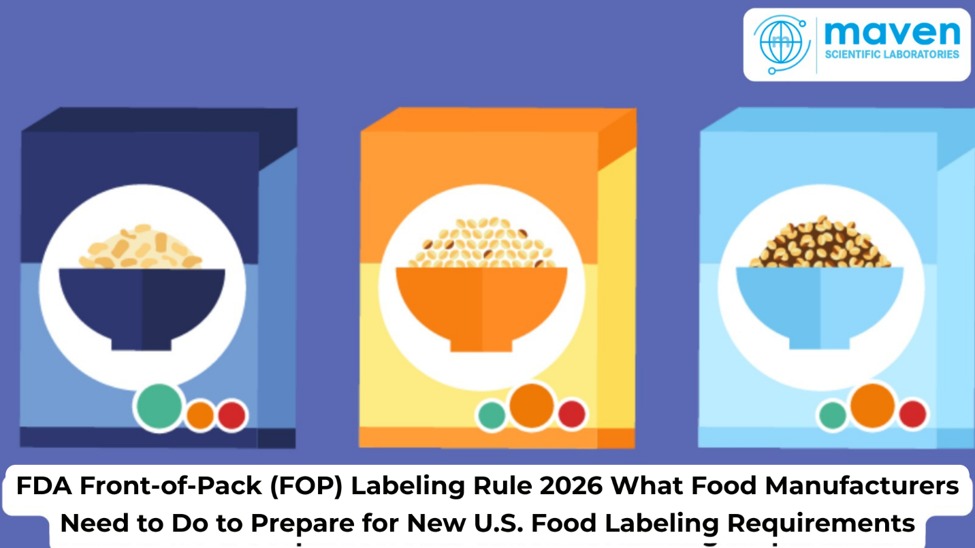
If finalized, the rule will require standardized front-of-package nutrition information designed to help consumers quickly identify nutrients associated with diet-related diseases, including saturated fat, sodium, and added sugars.
For food manufacturers, brand owners, regulatory affairs teams, labeling specialists, and quality professionals, preparing early will be essential to minimize compliance risks, streamline packaging updates, and maintain market competitiveness.
Without proactive planning, companies may face:
- Packaging redesign delays
- Labeling compliance challenges
- Product portfolio review gaps
- Reformulation pressures
- Increased operational costs
- Regulatory implementation risks
- Resource constraints
- Supply chain disruptions
- Market readiness delays
- Consumer communication challenges
As food labeling regulations continue to evolve, organizations are adopting proactive compliance strategies that support regulatory readiness and business continuity.
Executive Overview
The proposed FDA Front-of-Pack (FOP) Labeling Rule represents a significant step toward improving nutrition transparency and helping consumers make informed purchasing decisions.
Unlike the traditional Nutrition Facts Panel, the proposed Front-of-Pack label would provide simplified nutrition information directly on the front of food packages, allowing shoppers to quickly evaluate key nutrients.
To prepare effectively, organizations should ensure their labeling programs are:
- FDA compliant
- Consumer-focused
- Scientifically accurate
- Packaging-ready
- Portfolio aligned
- Submission-ready
- Operationally efficient
- Future-ready
Early preparation can help manufacturers reduce implementation risks and improve compliance efficiency.
Key Drivers Increasing the Importance of Front-of-Pack Labeling
| Regulatory Driver | Industry Impact |
| Nutrition Transparency | Greater Consumer Awareness |
| FDA Labeling Modernization | New Compliance Expectations |
| Public Health Initiatives | Increased Labeling Requirements |
| Global Regulatory Alignment | Greater Label Standardization |
| Portfolio Management | Strategic Product Reviews |
| Consumer Demand | Improved Brand Trust |
Organizations increasingly recognize that labeling compliance directly influences regulatory success and consumer confidence.
Why FDA Front-of-Pack Labeling Matters
Food labeling is no longer viewed solely as a regulatory obligation.
Effective labeling supports:
- Regulatory compliance
- Consumer transparency
- Product differentiation
- Brand credibility
- Public health initiatives
- Operational efficiency
A proactive labeling strategy reduces compliance risks while strengthening consumer trust.
Top 5 Challenges Food Manufacturers May Face Under the FDA FOP Labeling Rule
1. Product Portfolio Assessment
Many companies have large product portfolios that require evaluation.
Common challenges include:
- Identifying affected SKUs
- Nutrient threshold assessments
- Label prioritization
- Product categorization
- Compliance planning
Potential Impact
| Challenge | Business Impact |
| Portfolio Complexity | Delayed Compliance |
| High-Risk Products | Reformulation Needs |
| Limited Resources | Increased Costs |
| Planning Gaps | Operational Delays |
Conducting an early portfolio assessment helps organizations prioritize compliance activities.
2. Packaging and Label Redesign
The proposed Front-of-Pack label requires additional packaging space.
Common considerations include:
- Packaging layout updates
- Brand visibility
- Graphic redesign
- Artwork revisions
- Multi-language packaging requirements
Early packaging reviews help minimize future redesigned costs.
3. Product Reformulation Decisions
Products with higher levels of saturated fat, sodium, or added sugars may require reformulation.
Organizations should evaluate:
- Nutritional profiles
- Ingredient alternatives
- Consumer expectations
- Market competitiveness
- Regulatory implications
Strategic reformulation planning can improve long-term market positioning.
4. Compliance Readiness
Preparing for the new requirements involves more than updating labels.
Organizations should conduct:
- Gap assessments
- Regulatory impact analyses
- Label verification
- Internal compliance reviews
- Cross-functional planning
Structured readiness programs reduce implementation risks.
5. Cross-Functional Coordination
Successful implementation requires collaboration among:
- Regulatory Affairs
- Labeling teams
- R&D
- Quality Assurance
- Marketing
- Packaging Engineering
- Supply Chain
Early collaboration improves project execution and compliance.
The Growing Importance of Labeling Readiness
Food labeling regulations continue evolving toward:
- Greater transparency
- Standardized nutrition communication
- Consumer-friendly labeling
- Digital compliance
- Stronger regulatory oversight
- Improved public health outcomes
Organizations that prepare early will be better positioned to manage regulatory change efficiently.
Practical Benefits of Early Preparation
| Business Area | Potential Benefit |
| Regulatory Compliance | Reduced Risk |
| Product Portfolio | Better Prioritization |
| Packaging Operations | Streamlined Updates |
| Market Readiness | Faster Implementation |
| Consumer Trust | Improved Brand Reputation |
| Operational Efficiency | Lower Rework |
Early planning helps organizations reduce costs and improve implementation efficiency.
Important Compliance Considerations
Organizations should be established:
- Labeling governance procedures
- Portfolio review processes
- Packaging change controls
- Regulatory intelligence monitoring
- Compliance checklists
- Artwork review workflows
- Documentation management
- Cross-functional communication plans
- Quality review procedures
Strong governance supports consistent compliance throughout implementation.
Best Practices for FDA FOP Labeling Readiness
Conduct Early Portfolio Reviews
Evaluate products that may require:
- Nutrition assessments
- Label changes
- Reformulation
- Packaging updates
Strengthening Labeling Governance
Organizations should perform:
- Gap analyses
- Artwork reviews
- Regulatory verification
- Label content validation
- Packaging assessments
Improve Cross-Functional Collaboration
Successful compliance requires coordination across:
- Regulatory Affairs
- Quality
- R&D
- Marketing
- Packaging
- Manufacturing
Monitor FDA Regulatory Updates
Organizations should continuously monitor:
- FDA guidance
- Final rule publication
- Implementation timelines
- Compliance expectations
- Industry best practices
Emerging Trends in Food Labeling
| Emerging Trend | Industry Impact |
| Front-of-Pack Labeling | Greater Consumer Transparency |
| Digital Labeling | Enhanced Consumer Access |
| Global Label Harmonization | Consistent Compliance |
| AI-Powered Label Reviews | Improved Efficiency |
| Health-Focused Packaging | Better Consumer Engagement |
| Regulatory Modernization | Stronger Compliance |
Food labeling continues evolving into a strategic business function.
Why Labeling Readiness Is Becoming a Competitive Advantage
Leading food manufacturers increasingly compete through:
- Regulatory compliance
- Transparent labeling
- Consumer trust
- Packaging innovation
- Nutrition communication
- Operational agility
Organizations that proactively prepare for FDA Front-of-Pack labeling can:
- Reduce compliance risks
- Improve implementation efficiency
- Strengthen consumer confidence
- Minimize operational disruptions
- Enhance brand reputation
- Support long-term business growth
Labeling readiness is becoming a strategic differentiator across the food industry.
How Maven Regulatory Solutions Supports FDA Food Labeling Compliance
Our Expertise Includes
- FDA food labeling compliance
- Front-of-Pack labeling assessments
- Regulatory gap analysis
- Packaging compliance reviews
- Nutrition labeling support
- Artwork and label review
- Regulatory intelligence
- Compliance strategy consulting
- Label lifecycle management
- Global food regulatory support
Why Companies Choose Maven
- Deep FDA regulatory expertise
- End-to-end labeling support
- Food industry experience
- Global compliance capabilities
- Quality-focused review processes
- Scalable regulatory solutions
- Strategic implementation support
Conclusion
As the FDA moves toward implementing Front-of-Pack nutrition labeling requirements, organizations that begin preparing now will be better positioned to manage compliance efficiently.
Companies that proactively strengthen:
- Labeling governance
- Portfolio assessments
- Packaging readiness
- Compliance planning
- Cross-functional collaboration
- Regulatory intelligence
will be better equipped to reduce implementation risks, improve consumer transparency, and maintain a competitive advantage.
The most successful food manufacturers will view Front-of-Pack labeling not simply as a regulatory obligation but as an opportunity to strengthen consumer trust and regulatory excellence.
FAQ
1. What is the FDA Front-of-Pack (FOP) Labeling Rule?
The FDA's proposed Front-of-Pack (FOP) Labeling Rule would require most packaged foods to display a standardized "Nutrition Info" box on the front of the package. It highlights saturated fat, sodium, and added sugars as Low, Medium, or High to help consumers make informed choices.
2. When will the FDA Front-of-Pack labeling requirements take effect?
As of 2026, the rule has not yet been finalized, but the FDA has identified it as a priority. Once finalized, large food manufacturers are expected to have three years to comply, while smaller businesses will receive four years.
3. Which food products will require Front-of-Pack labeling?
The proposed rule applies to most packaged foods that are already required to carry a Nutrition Facts label. Certain products may qualify for exemptions or modified labeling requirements based on FDA criteria.
4. What nutrients must appear on the FDA Nutrition Info box?
Manufacturers must disclose the levels of saturated fat, sodium, and added sugars using clear "Low," "Medium," or "High" indicators based on the product's nutrient content per serving.
5. How should food manufacturers prepare for the new FDA labeling rule?
Companies should review product formulations, verify Nutrition Facts data, assess packaging redesign needs, and monitor the FDA's final rule to ensure timely compliance and avoid market disruptions.
6. Will the FDA Front-of-Pack label replace the Nutrition Facts panel?
No. The proposed Nutrition Info box is intended to complement not replace the existing Nutrition Facts label by providing quick nutrition information on the front of the package.
7. Why is the FDA introducing Front-of-Pack nutrition labeling?
The FDA aims to make nutrition information easier to understand immediately, helping consumers compare products and make healthier purchasing decisions while addressing diet-related chronic diseases.

Post a comment