
July 21, 2026
How COFEPRIS's New 2026 Guidance, Equivalence Agreements, Abbreviated Pathways, Technical Documentation, Clinical Evidence, and Post-Market Surveillance Are Transforming Medical Device Registration in Mexico
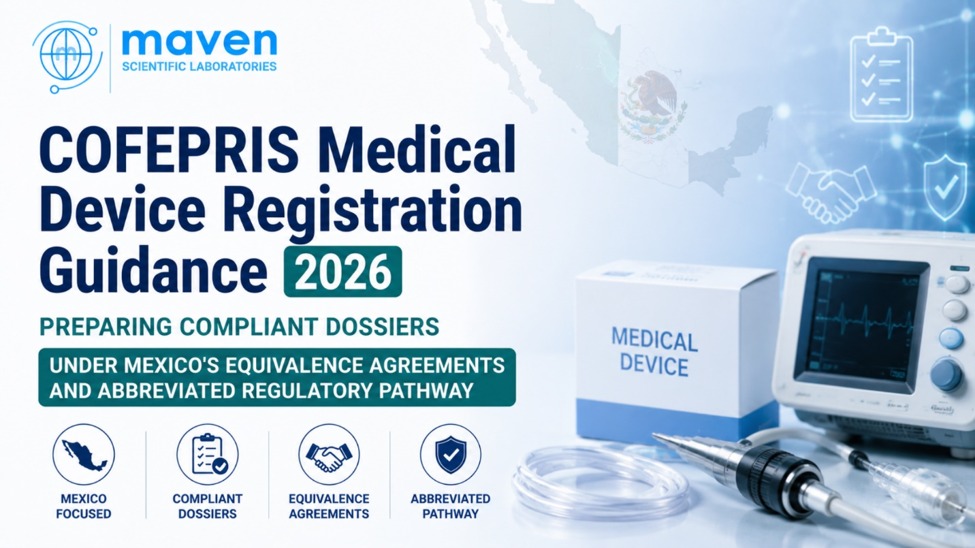
Mexico's COFEPRIS has released its 2026 Medical Device Registration Guidance, providing the first comprehensive instructions for preparing registration dossiers under the country's Equivalence Agreements and Abbreviated Regulatory Pathway. The guidance offers greater clarity on documentation requirements, quality management expectations, clinical evidence, risk management, and post-market obligations, helping manufacturers prepare more complete and compliant submissions.
Why the New COFEPRIS Guidance Matters
Mexico continues to be one of Latin America's largest medical device markets, making regulatory compliance a critical step for successful market entry.
The new guidance standardizes submission expectations and helps applicants better understand the information COFEPRIS requires during dossier evaluation.
Without adequate preparation, organizations may face:
- Registration delays
- Deficiency letters and additional information requests
- Incomplete technical documentation
- Translation inconsistencies
- Manufacturing traceability gaps
- Clinical evidence deficiencies
- Extended regulatory review timelines
- Increased compliance costs
A well-prepared dossier improves review efficiency and supports faster market access.
Executive Overview
The 2026 COFEPRIS guidance promotes a structured and risk-based approach to medical device registration.
A successful submission should be:
- Regulatory complaint
- Scientifically supported
- Technically complete
- Risk-based
- Quality focused
- Well documented
- Traceable
- Inspection ready
- Supported by post-market surveillance
- Aligned with Mexican regulatory requirements
Organizations implementing these practices improve submission quality while reducing regulatory risks.
Understanding the 2026 COFEPRIS Guidance
The guidance provides detailed expectations for preparing medical device registration dossiers submitted through:
- Equivalence Agreements
- Abbreviated Regulatory Pathway
Key focus areas include:
- Administrative documentation
- Legal documentation
- Quality Management System (QMS) evidence
- Manufacturing information
- Technical documentation
- Clinical evaluation
- Risk management
- Techno vigilance
- Post-market surveillance
- Spanish translations
- Manufacturing traceability
Key Benefits of Following Guidance
- Improved dossier completeness
- Greater regulatory consistency
- Reduced review deficiencies
- Better documentation quality
- Enhanced traceability
- Faster Regulatory Review
- Stronger compliance
- More efficient market entry
What Is COFEPRIS Registration Readiness?
Registration readiness is an organization's ability to prepare complete, accurate, and compliant medical device registration dossiers that meet COFEPRIS expectations.
Core capabilities include:
- Regulatory strategy
- Technical documentation
- Clinical evidence preparation
- Risk management documentation
- QMS compliance
- Manufacturing traceability
- Translation management
- Regulatory gap assessments
- Submission planning
- Post-market compliance
Traditional Submissions vs. Guidance-Aligned Submissions
| Traditional Approach | Guidance-Aligned Approach |
| Fragmented documentation | Structured dossiers |
| Limited regulatory planning | Risk-based preparation |
| Inconsistent translations | Standardized Spanish documentation |
| Variable technical files | Comprehensive technical documentation |
| Manual compliance reviews | Systematic quality checks |
| Higher deficiency risk | Improved submission quality |
Key Drivers Behind the Updated Guidance
1. Greater Regulatory Transparency
Clearer submission expectations help applicants prepare more consistent dossiers.
2. Improved Review Efficiency
Standardized documentation supports faster regulatory evaluations.
3. Enhanced Product Safety
Greater emphasis on clinical evidence, risk management, and post-market surveillance strengthens patient safety.
4. Stronger Manufacturing Oversight
Expanded requirements improve manufacturing transparency and product traceability.
5. Global Regulatory Alignment
The guidance aligns Mexico's regulatory expectations more closely with internationally recognized documentation practices.
Key Drivers of COFEPRIS Regulatory Modernization
| Industry Driver | Business Impact |
| Regulatory transparency | Better compliance |
| Standardized dossiers | Improved consistency |
| Technical documentation | Higher submission quality |
| Clinical evaluation | Enhanced patient safety |
| Manufacturing traceability | Greater product integrity |
| Post-market surveillance | Improved lifecycle compliance |
Why Complete Documentation Matters
Incomplete or inconsistent documentation remains one of the leading causes of regulatory deficiencies.
High-quality dossiers should demonstrate:
- Product safety
- Performance
- Quality
- Manufacturing controls
- Clinical evidence
- Risk management
- Regulatory compliance
Benefits of High-Quality Dossier Preparation
| Capability | Business Benefit |
| Complete documentation | Fewer deficiencies |
| Technical consistency | Improved review efficiency |
| Quality documentation | Better compliance |
| Traceability | Stronger regulatory confidence |
| Clinical evidence | Better safety evaluation |
| Regulatory planning | Faster approvals |
Building a Successful Registration Strategy
Organizations should focus on:
- Early regulatory planning
- Gap assessments
- Complete technical documentation
- Clinical evidence readiness
- Manufacturing documentation
- Risk management
- Translation quality
- Regulatory intelligence
Assessing COFEPRIS Readiness
1. Administrative Documentation
Review:
- Legal documents
- Manufacturer information
- Authorized representative documentation
- Certificates
- Administrative forms
2. Technical Documentation
Evaluation:
- Device description
- Intended use
- Technical specifications
- Labeling
- Instructions for use
- Performance data
3. Clinical and Risk Documentation
Assess:
- Clinical evaluation
- Risk management file
- Benefit-risk analysis
- Safety evidence
- Performance validation
4. Manufacturing and Quality
Review:
- QMS certificates
- Manufacturing information
- Process controls
- Traceability
- Supplier oversight
5. Post-Market Compliance
Include:
- Techno vigilance procedures
- Complaint handling
- Adverse event reporting
- Corrective actions
- Post-market surveillance plans
COFEPRIS Readiness Assessment
| Assessment Area | Objective |
| Administrative Documents | Ensure completeness |
| Technical Documentation | Improve dossier quality |
| Clinical Evidence | Demonstrate safety and performance |
| Quality Systems | Verify compliance |
| Manufacturing | Strengthen traceability |
| Post-Market Surveillance | Support lifecycle compliance |
Best Practices
1. Prepare Documentation Early
Review all dossier components before submission.
2. Ensure Document Consistency
Maintain alignment across technical, legal, and administrative documentation.
3. Strengthen Translation Quality
Verify accurate Spanish translations and terminology.
4. Implement Robust Quality Reviews
Validate documentation before submission.
5. Promote Cross-Functional Collaboration
Involve:
- Regulatory Affairs
- Quality Assurance
- Clinical Affairs
- Engineering
- Manufacturing
- Supply Chain
- Legal
- Marketing
6. Monitor Regulatory Intelligence
Stay informed about:
- COFEPRIS updates
- Mexican regulations
- International guidance
- Regulatory policy changes
- Post-market requirements
Common Challenges
Organizations commonly encounter:
- Incomplete documentation
- Translation inconsistencies
- Technical file deficiencies
- Clinical evidence gaps
- Manufacturing documentation issues
- Traceability challenges
- Resource limitations
- Regulatory interpretation differences
Common Mistakes
Avoid:
- Submitting incomplete dossiers
- Poor document consistency
- Weak clinical justification
- Inadequate risk management
- Delayed regulatory planning
- Insufficient post-market documentation
COFEPRIS Registration Roadmap
| Activity | Frequency | Benefit |
| Conduct gap assessment | Before submission | Better readiness |
| Review technical documentation | Ongoing | Higher quality |
| Verify translations | Before submission | Greater consistency |
| Monitor regulations | Monthly | Regulatory readiness |
| Train regulatory teams | Annually | Improved compliance |
| Review post-market procedures | Periodically | Stronger lifecycle management |
Future Trends
Emerging developments include:
- Digital regulatory submissions
- Greater international harmonization
- Enhanced risk-based reviews
- Expanded post-market surveillance
- Improved manufacturing traceability
- Electronic documentation
- AI-supported regulatory reviews
- Increased regulatory transparency
Business Benefits
| Business Function | Key Benefit |
| Regulatory Affairs | Faster submissions |
| Quality Assurance | Improved compliance |
| Clinical Affairs | Better evidence management |
| Manufacturing | Stronger traceability |
| Executive Leadership | Reduced regulatory risk |
| Market Access | Faster entry into Mexico |
Frequently Asked Questions
1. What is the 2026 COFEPRIS Medical Device Registration Guidance?
It provides comprehensive instructions for preparing medical device registration dossiers under Mexico's Equivalence Agreements and Abbreviated Regulatory Pathway.
2. Who should follow this guidance?
Medical device manufacturers seeking registration and market access in Mexico.
3. What areas does the guidance cover?
Administrative documentation, quality systems, manufacturing information, technical documentation, clinical evaluation, risk management, techno vigilance, post-market surveillance, translations, and traceability.
4. Why is dossier quality important?
Complete and well-organized dossiers reduce deficiencies and support more efficient regulatory reviews.
5. What are the biggest compliance challenges?
Incomplete documentation, inconsistent translations, technical gaps, and insufficient clinical or manufacturing evidence.
6. How can companies prepare?
- Perform regulatory gap assessments
- Strengthen technical documentation
- Verify Spanish translations
- Improve quality reviews
- Enhance traceability
- Monitor COFEPRIS guidance
7. What is techno vigilance?
Techno vigilance is a system for monitoring, reporting, and managing adverse events and safety issues related to medical devices after they are placed on the market.
8. How does the guidance improve compliance?
It clarifies regulatory expectations, promotes standardized documentation, and supports more consistent submissions.
9. Why is manufacturing traceability important?
It helps demonstrate product quality, manufacturing control, and regulatory compliance throughout the product lifecycle.
10. How can Maven Regulatory Solutions help?
Maven supports:
- COFEPRIS registration strategy
- Gap assessments
- Technical documentation preparation
- Clinical documentation support
- Risk management documentation
- Quality and manufacturing compliance
- Regulatory intelligence
- Submission readiness reviews
- Process optimization
- Post-market compliance support
Conclusion
The 2026 COFEPRIS Medical Device Registration Guidance provides manufacturers with clearer expectations for preparing high-quality registration dossiers under Mexico's Equivalence Agreements and Abbreviated Regulatory Pathway. By strengthening documentation, quality systems, clinical evidence, manufacturing traceability, and post-market surveillance processes, organizations can improve compliance, reduce review deficiencies, and accelerate access to the Mexican medical device market.
Why Choose Maven Regulatory Solutions?
Maven Regulatory Solutions helps medical device manufacturers navigate Mexico's evolving regulatory landscape through COFEPRIS registration strategy, dossier preparation, technical documentation, clinical and risk management support, quality compliance, regulatory intelligence, and submission readiness assessments. Our experts deliver practical, compliance-focused solutions to help organizations achieve efficient and successful market access.

Post a comment