
August 10, 2026
How Canada's Prohibition of Certain Toxic Substances Regulations, Chemical Restrictions, Product Compliance, Supply Chain Traceability, Regulatory Intelligence, and Substance Management Are Reshaping Market Access
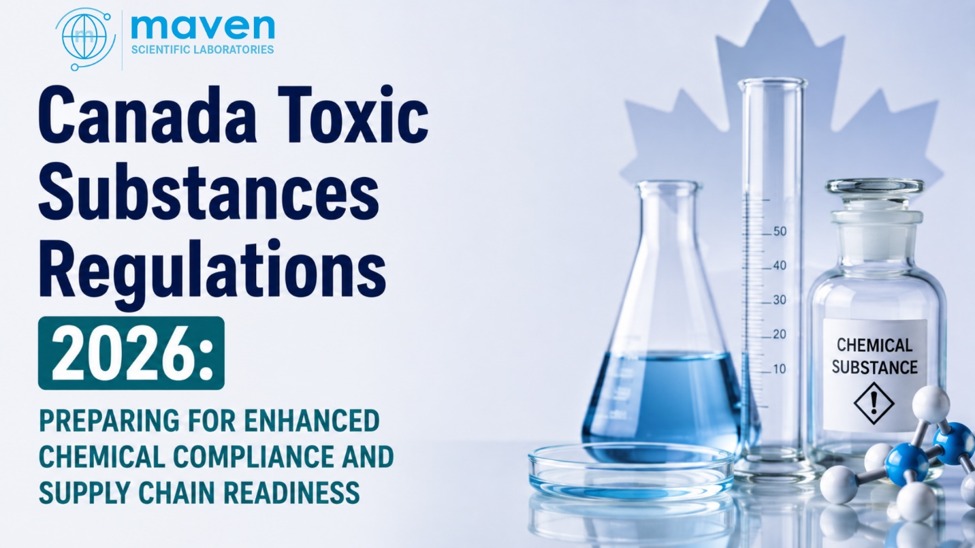
Canada has entered a new phase of chemical regulation with the Prohibition of Certain Toxic Substances Regulations, 2025 (SOR/2025-270) officially coming into force on 30 June 2026, replacing the previous 2012 regulations. The updated framework strengthens controls on hazardous substances and introduces more comprehensive compliance obligations for companies placing products on the Canadian market.
The new regulations expand restrictions on several toxic substances, including Dechlorane Plus (DP) and decabromodiphenyl ethane (DBDPE), two flame retardants commonly associated with sectors such as electronics, electrical equipment, automotive components, plastics, rubber, textiles, and industrial materials.
In addition to new substance restrictions, the framework updates requirements for exemptions, authorized activities, transition periods, concentration limits, laboratory analysis, recordkeeping, and product-level compliance. Organizations are expected to strengthen chemical management practices while improving visibility across increasingly complex global supply chains.
For manufacturers, importers, distributors, suppliers, and product owners selling into Canada, these regulatory changes represent an important opportunity to review chemical inventories, supplier documentation, compliance programmers, and long-term regulatory strategies.
As Canada's chemical regulatory framework continues to evolve, organizations should strengthen regulatory intelligence, supply chain transparency, product stewardship, and compliance management to minimize regulatory risks and maintain uninterrupted market access.
Why Canada's Updated Toxic Substances Framework Is a Strategic Priority
Canada continues strengthening chemical safety requirements to better protect human health and the environment while promoting responsible chemical management across industries.
The updated regulations support these objectives through stronger substance restrictions, improved product oversight, and enhanced compliance expectations.
Key drivers include:
- Stronger chemical safety requirements
- Enhanced environmental protection
- Increased product compliance
- Greater supply chain transparency
- Expanded hazardous substance restrictions
- Improved regulatory oversight
- Better lifecycle compliance
- Risk-based chemical management
- Sustainable product development
- International regulatory alignment
Without proactive compliance planning, organizations may encounter:
- Product compliance challenges
- Supply chain disruptions
- Increased regulatory costs
- Documentation deficiencies
- Product reformulation requirements
- Delayed market access
- Enforcement actions
- Recordkeeping issues
- Customer compliance concerns
- Commercial risks
Early preparation enables organizations to reduce compliance risks while maintaining business continuity.
Executive Overview
Successful compliance with Canada's updated toxic substances framework requires a proactive and integrated compliance strategy.
Organizations should establish programmers covering:
- Chemical compliance
- Substance inventory management
- Supply chain traceability
- Regulatory intelligence
- Product stewardship
- Supplier documentation
- Risk assessments
- Recordkeeping
- Laboratory verification
- Lifecycle compliance
- Alternative substance evaluation
- Change management
Companies adopting these capabilities can improve regulatory readiness while supporting sustainable market access.
Understanding Canada's Updated Toxic Substances Regulations
The Prohibition of Certain Toxic Substances Regulations, 2025 (SOR/2025-270) establishes updated controls on hazardous substances to reduce risks to human health and the environment.
The framework focuses on:
- Hazardous substance restrictions
- Product-level compliance
- Supply chain transparency
- Chemical inventory management
- Recordkeeping
- Regulatory oversight
- Laboratory analysis
- Compliance verification
- Exemptions and transition periods
- Continuous compliance monitoring
The regulations encourage organizations to understand where restricted substances may exist throughout products, materials, components, recycled inputs, and supplier formulations.
Key Regulatory Authority
| Authority | Responsibility |
| Environment and Climate Change Canada (ECCC) | Administration and enforcement of Canada's toxic substances regulations |
| Health Canada | Chemical risk assessment and protection of human health |
Key Regulatory Changes
The updated regulations introduce several important compliance changes, including:
- New restrictions on Dechlorane Plus (DP)
- Restrictions on decabromodiphenyl ethane (DBDPE)
- Updated exemption provisions
- Revised authorized activities
- Transition period requirements
- Concentration limit updates
- Laboratory testing provisions
- Enhanced recordkeeping obligations
- Stronger product-level compliance
- Greater supply chain accountability
These updates require organizations to strengthen both chemical management and compliance documentation.
Who May Be Impacted?
The updated framework may affect organizations involved in:
- Electronics manufacturing
- Electrical equipment
- Automotive components
- Plastics manufacturing
- Rubber products
- Textile manufacturing
- Industrial materials
- Consumer products
- Chemical supply
- Imports and distribution
Businesses using flame retardants or complex global supply chains should carefully assess the potential impact of the new requirements.
Supply Chain Compliance
The updated regulations place greater emphasis on supply chain visibility and product-level compliance.
Organizations should review:
- Supplier declarations
- Material compositions
- Product specifications
- Component inventories
- Recycled material content
- Alternative substances
- Technical documentation
- Laboratory test results
- Compliance records
- Traceability systems
A strong supply chain compliance programme helps reduce regulatory risks while supporting continuous market access.
Regulatory Intelligence
Organizations should continuously monitor:
- Environment and Climate Change Canada updates
- Health Canada guidance
- Toxic substances regulations
- Chemical restriction amendments
- Transition period announcements
- Substance risk assessments
- Laboratory testing guidance
- International chemical regulations
- Supply chain developments
- Product stewardship initiatives
Strong regulatory intelligence enables proactive compliance planning and faster response to regulatory change.
Readiness Assessment
| Assessment Area | Objective |
| Chemical Inventory | Substance visibility |
| Product Compliance | Regulatory conformity |
| Supply Chain | Material traceability |
| Supplier Documentation | Compliance verification |
| Laboratory Testing | Substance confirmation |
| Recordkeeping | Regulatory readiness |
| Regulatory Intelligence | Continuous monitoring |
| Risk Assessment | Hazard identification |
| Product Stewardship | Sustainable compliance |
| Lifecycle Management | Long-term regulatory success |
Best Practices
Organizations should:
- Review chemical inventories
- Assess restricted substances
- Strengthen supplier documentation
- Improve supply chain traceability
- Maintain accurate compliance records
- Verify transition period applicability
- Conduct periodic compliance reviews
- Evaluate alternative materials
- Monitor regulatory developments
- Strengthen cross-functional collaboration
Common Mistakes
Avoid:
- Incomplete supplier information
- Weak material traceability
- Delayed compliance reviews
- Poor recordkeeping
- Ignoring transition periods
- Limited regulatory monitoring
- Inadequate laboratory verification
- Weak change management
- Outdated compliance documentation
- Delayed product assessments
Future Trends
Emerging developments include:
- Expanded hazardous substance restrictions
- Stronger product-level compliance
- Increased supply chain transparency
- Digital compliance systems
- Greater regulatory harmonization
- Risk-based chemical management
- Enhanced sustainability initiatives
- Improved product stewardship
- Increased regulatory intelligence
- Stronger Environmental Protection
Business Benefits
| Business Function | Key Benefit |
| Regulatory Affairs | Improved compliance readiness |
| Quality | Better product conformity |
| Supply Chain | Enhanced material visibility |
| Manufacturing | Reduced compliance risks |
| Sustainability | Stronger environmental performance |
| Executive Leadership | Lower regulatory risk |
Conclusion
Canada's Prohibition of Certain Toxic Substances Regulations, 2025 (SOR/2025-270) represents a significant evolution in the country's chemical regulatory framework. With new restrictions on substances such as Dechlorane Plus (DP) and DBDPE, alongside enhanced requirements for supply chain traceability, documentation, and product-level compliance, organizations should begin reviewing products and supplier information well before compliance issues arise.
Companies that strengthen chemical inventories, regulatory intelligence, supplier engagement, and compliance management will be better positioned to minimize regulatory risks, maintain uninterrupted Canadian market access, and support long-term business resilience.
Why Choose Maven Regulatory Solutions?
Maven Regulatory Solutions provides end-to-end regulatory consulting for chemical manufacturers, importers, and product companies navigating Canada's evolving chemical regulations. Our expertise includes chemical compliance assessments, substance inventory reviews, regulatory intelligence, supply chain compliance, product stewardship, documentation support, risk assessments, lifecycle management, and global regulatory consulting.
We help organizations proactively manage regulatory changes, strengthen compliance programmers, and achieve successful market access while meeting international chemical safety requirements.
Frequently Asked Questions
1. What is Canada's Prohibition of Certain Toxic Substances Regulations, 2025?
Updated regulations that strengthen restrictions on hazardous substances and product compliance in Canada.
2. When do the new regulations take effect?
They came into force on 30 June 2026, replacing the 2012 regulations.
3. Which substances are newly restricted?
The regulations introduce new controls on Dechlorane Plus (DP) and decabromodiphenyl ethane (DBDPE), among other hazardous substances.
4. Who will be affected?
Manufacturers, importers, distributors, suppliers, and companies placing products on the Canadian market.
5. What are the main compliance requirements?
Chemical inventory management, supplier documentation, laboratory testing, recordkeeping, product-level compliance, and supply chain traceability.
6. Which industries are most impacted?
Electronics, electrical equipment, automotive, plastics, rubber, textiles, industrial materials, and consumer products.
7. What should companies do to prepare?
Review chemical inventories, assess restricted substances, strengthen supplier documentation, and improve supply chain traceability.
8. Why is regulatory intelligence important?
It helps organizations monitor regulatory updates, manage compliance risks, and maintain uninterrupted market access.
9. What are the risks of non-compliance?
Product restrictions, enforcement actions, supply chain disruptions, increased compliance costs, and delayed market access.
10. How can Maven Regulatory Solutions help?
Maven supports chemical compliance, substance inventory reviews, supply chain compliance, regulatory intelligence, risk assessments, documentation, product stewardship, lifecycle management, and global regulatory consulting.

Post a comment