
November 29, 2024
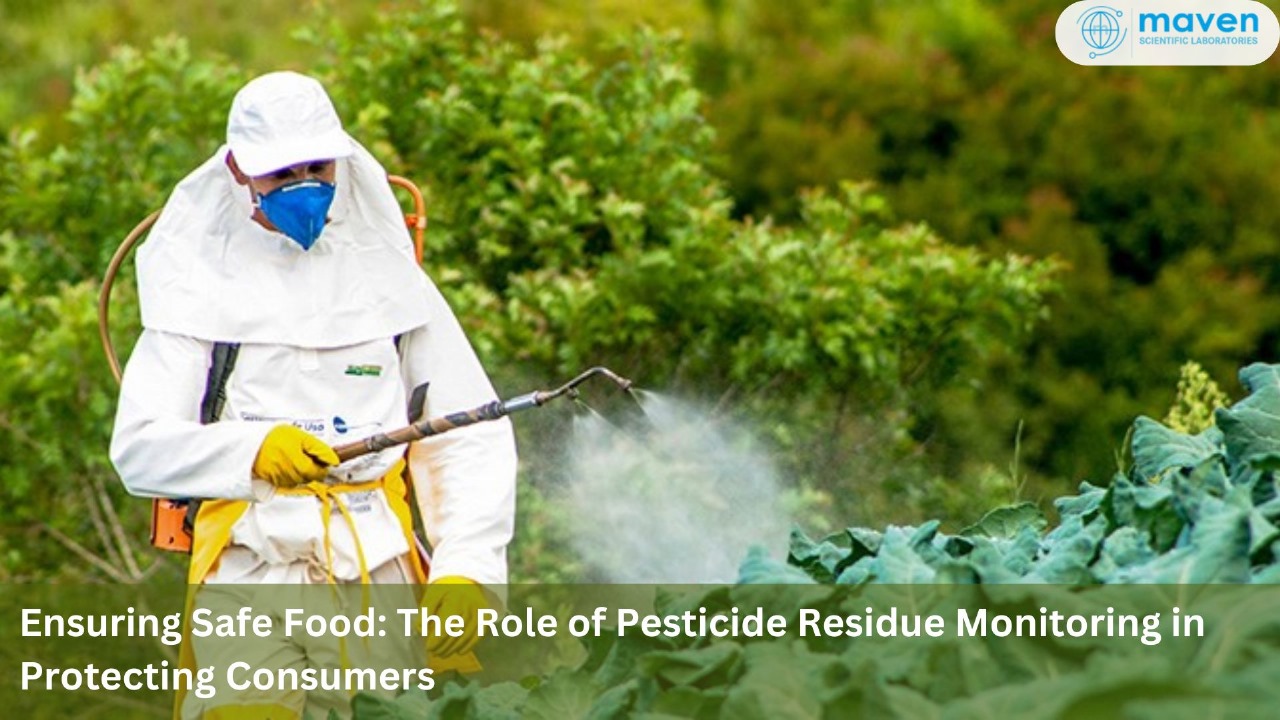
Food safety remains a critical public health priority worldwide, particularly with the widespread use of pesticides in modern agriculture. While pesticides play an essential role in improving crop yield and protecting agricultural products from pests and diseases, residues of these chemicals can remain in food products and potentially pose health risks to consumers if not properly regulated.
To safeguard public health, strict regulatory frameworks govern pesticide residue levels in food products. In the United States, agencies including the U.S. Environmental Protection Agency, U.S. Food and Drug Administration, and United States Department of Agriculture collaborate to regulate pesticide use, establish maximum residue limits, and monitor compliance across domestic and imported food supplies.
These efforts are supported by key legislation such as the Federal Insecticide, Fungicide, and Rodenticide Act and the Federal Food, Drug, and Cosmetic Act, which provides the legal framework for pesticide regulation and food safety enforcement.
This article explores the regulatory framework governing pesticide residue monitoring, the role of federal agencies in ensuring compliance, and how advanced toxicological and analytical testing services contribute to protecting consumers and maintaining global food safety standards.
Regulatory Framework for Pesticide Residue Monitoring
Pesticide regulation in food systems relies on a comprehensive regulatory framework designed to assess the safety of agricultural chemicals and ensure that residue levels remain within safe limits.
Key Food Safety Laws Governing Pesticide Use
| Regulation | Governing Authority | Key Purpose |
| Federal Insecticide, Fungicide, and Rodenticide Act (FIFRA) | EPA | Regulates pesticide registration and agricultural use |
| Federal Food, Drug, and Cosmetic Act (FFDCA) | FDA | Establish food safety standards and enforcement |
| Pesticide Tolerance Regulations | EPA | Sets maximum residue limits in food products |
Under these laws, regulatory authorities conduct scientific risk assessments, establish pesticide tolerance levels, and enforce compliance across the food supply chain.
Role of Regulatory Agencies in Food Safety
Ensuring food safety requires coordination between multiple federal agencies responsible for pesticide regulation, food monitoring, and enforcement.
Responsibilities of Key U.S. Regulatory Authorities
| Agency | Responsibility |
| EPA | Establishes pesticide tolerance levels and evaluates safety |
| FDA | Enforces pesticide residue limits in most food products |
| USDA | Oversees pesticide compliance for meat, poultry, and certain agricultural products |
Role of the Environmental Protection Agency
The EPA evaluates pesticide safety through toxicological and environmental risk assessments before approving pesticide use in agriculture. Based on these evaluations, the agency establishes Maximum Residue Limits (MRLs), also known as pesticide tolerances, which define the allowable concentration of pesticide residues in food.
These limits apply to both domestically produced and imported food products entering the U.S. market.
Role of the Food and Drug Administration
The FDA monitors pesticide residues in most foods, including:
- fruits and vegetables
- processed foods
- grains and cereals
- imported food products
The agency conducts laboratory testing and surveillance programs to ensure pesticide levels remain within regulatory tolerance limits.
Role of the United States Department of Agriculture
The USDA focuses primarily on meat, poultry, and certain agricultural commodities, ensuring that pesticide use in livestock feed and agricultural practices does not compromise food safety.
FDA Pesticide Residue Monitoring Program
The FDA operates a comprehensive Pesticide Residue Monitoring Program designed to detect and prevent excessive pesticide contamination in the food supply.
This program prioritizes foods of high dietary importance, particularly those frequently consumed by vulnerable populations such as children and infants.
Key Objectives of the Monitoring Program
- identify pesticide residue violations
- assess consumer exposure risks
- support regulatory enforcement actions
- generate scientific data for regulatory policy updates
Monitoring Domestic Food Products
The FDA monitors domestic agricultural products through a targeted regulatory approach that includes risk-based sampling and laboratory analysis.
Foods are prioritized based on factors such as:
- consumption frequency
- historical pesticide violations
- vulnerability of target populations
Commonly monitored food categories include:
- leafy vegetables
- berries and fruits
- grains and cereals
- root vegetables
Monitoring Imported Food Products
The United States imports a significant portion of its food supply from international markets. Monitoring imported foods ensures that these products meet U.S. pesticide residue standards.
Risk-Based Import Monitoring Tools
| Monitoring Tool | Purpose |
| OASIS Database | Tracks food import data and identifies high-risk products |
| Import Alerts | Enables detention of non-compliant food products |
| Targeted Sampling | Focuses testing resources on high-risk commodities |
Two commonly used import alerts include:
- IA 99-05: Automatic detention of raw agricultural products with pesticide violations
- IA 99-08: Detention of processed foods without physical examination
These regulatory tools help prevent contaminated products from entering the domestic food supply.
Analytical Testing for Pesticide Residues
Detecting pesticide residues requires advanced analytical techniques capable of identifying trace levels of chemical compounds.
Modern food safety laboratories rely on technologies such as:
- Gas Chromatography–Mass Spectrometry (GC-MS)
- Liquid Chromatography–Mass Spectrometry (LC-MS/MS)
- High-Performance Liquid Chromatography (HPLC)
Key Laboratory Testing Methods
| Analytical Technique | Application |
| GC-MS | Detection of volatile pesticide residues |
| LC-MS/MS | Multi-residue pesticide analysis |
| HPLC | Identification of pesticide metabolites |
These analytical methods provide highly accurate detection of pesticide residues in agricultural commodities and processed food products.
Transparency and Public Reporting
To maintain transparency and support evidence-based policymaking, the FDA publishes annual pesticide residue reports compiled by the Center for Food Safety and Applied Nutrition.
These reports provide valuable data regarding:
- pesticide residue prevalence
- compliance rates across food categories
- emerging food safety risks
This information is shared with regulatory authorities, policymakers, industry stakeholders, and the public to support continuous improvements in food safety standards.
How Maven Regulatory Solutions Supports Pesticide Residue Compliance
Ensuring compliance with pesticide residue regulations requires expertise in toxicology, regulatory science, and advanced analytical testing.
Maven Regulatory Solutions provides comprehensive services to help food producers, agricultural companies, and food manufacturers meet regulatory expectations and maintain safe food supply chains.
Toxicological Risk Assessment for Pesticide Residues
Toxicological Risk Assessment (TRA) evaluates potential health risks associated with pesticide exposure through food consumption.
These assessments consider:
- acceptable daily intake (ADI) levels
- dietary exposure modeling
- toxicological endpoints
- cumulative exposure risks
TRA studies help determine whether pesticide residues fall within safe regulatory limits.
Regulatory Gap Analysis and Compliance Support
Food producers must comply with a complex network of global food safety regulations. Regulatory gap analysis helps identify compliance issues before products enter the market.
Key areas evaluated include:
- pesticide tolerance compliance
- labeling and documentation requirements
- safety data availability
- regional regulatory differences
This proactive approach helps companies minimize regulatory risks and ensure smooth market entry.
Advanced Pesticide Residue Testing Services
Maven’s laboratories perform high-precision pesticide residue analysis using validated analytical methods.
Testing services include:
- multi-residue pesticide screening
- quantitative pesticide concentration analysis
- contamination source investigation
- quality assurance testing for agricultural commodities
These services support regulatory compliance and help ensure that food products meet global safety standards.
Customized Food Safety Solutions
Each agricultural product and food supply chain presents unique safety challenges. Customized testing and risk assessment strategies allow food producers to address product-specific safety concerns.
Services include:
- monitoring emerging pesticide risks
- evaluating new agricultural chemical formulations
- supporting sustainable farming practices
- ensuring compliance with international food safety standards
Supporting Global Market Access
Food exporters must comply with pesticide residue standards across multiple regulatory jurisdictions.
Maven Regulatory Solutions assists companies in meeting international requirements for markets including:
- United States
- European Union
- Asia-Pacific regulatory regions
This support helps companies expand globally while maintaining compliance with regional food safety regulations.
Emerging Trends in Pesticide Residue Monitoring
The field of food safety is evolving rapidly with new technologies and regulatory developments.
Advanced Multi-Residue Detection Technologies
Modern analytical systems can detect hundreds of pesticide compounds simultaneously at extremely low concentrations.
Data-Driven Food Safety Monitoring
Artificial intelligence and big data analytics are increasingly used to identify food contamination risks and optimize regulatory surveillance programs.
Sustainable Agriculture and Reduced Pesticide Use
Global initiatives promoting integrated pest management and sustainable agriculture are reducing pesticide reliance while maintaining crop productivity.
Conclusion
Pesticide residue monitoring plays a crucial role in maintaining the safety and integrity of the global food supply. Through coordinated regulatory oversight, scientific risk assessment, and advanced analytical testing, regulatory agencies ensure that pesticide residues remain within safe limits.
By supporting food producers and agricultural companies with toxicological risk assessments, regulatory consulting, and advanced pesticide residue testing services, Maven Regulatory Solutions helps maintain high standards of food safety and regulatory compliance.
Through its integrated expertise in regulatory science and analytical testing, Maven contributes to a safer, more transparent global food system where consumers can trust the safety of the food they eat.
Frequently Asked Questions
1. What are pesticide residues in food?
Pesticide residues are trace amounts of agricultural chemicals that may remain on or in food products after pesticide application during crop production.
2. What are maximum residue limits (MRLs)?
MRLs are regulatory limits that define the highest concentration of pesticide residues legally permitted in food products.
3. Why is pesticide residue monitoring important?
Monitoring ensures that pesticide levels in food remain within safe limits, protecting consumers from potential health risks.
4. How are pesticide residues detected in food?
Residues are detected using advanced analytical methods such as GC-MS, LC-MS/MS, and HPLC.
5. What role does toxicological risk assessment play in pesticide regulation?
Toxicological risk assessment evaluates the potential health effects of pesticide exposure and helps regulators establish safe residue limits.

Post a comment