
May 06, 2026
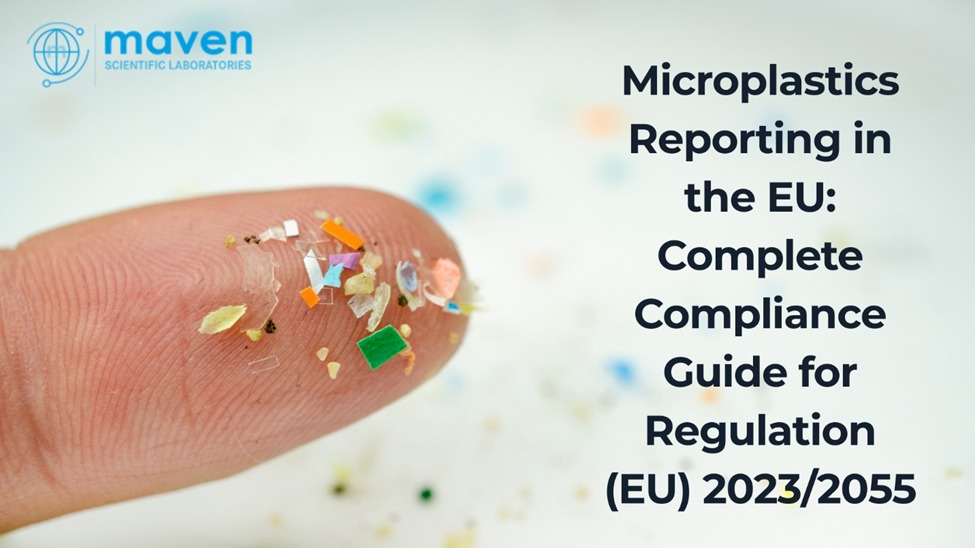
Microplastics are no longer just an environmental concern, they are now a core regulatory priority in the European Union. Found in cosmetics, personal care products, detergents, coatings, and industrial materials, these tiny synthetic polymer particles are under increasing scrutiny due to their persistence and potential ecological and health impacts.
With the introduction of Regulation (EU) 2023/2055, the EU has established a strict restriction and reporting framework targeting synthetic polymer microparticles (SPMs). For companies operating in the cosmetics and personal care sector, compliance is not optional, it is a strategic necessity for market access and brand trust.
Key Regulatory Highlights
- Mandatory annual reporting of microplastics to ECHA
- Applications to manufacturers, importers, and downstream users
- Covers synthetic polymer microparticles (SPMs) across industries
- Reporting via IUCLID platform
- First reporting obligations begin in 2026
- Expanded scope effective 2027
- Strict deadlines: submissions due by 31 May each year
- Focus on environmental release and lifecycle transparency
EU Microplastics Regulatory Framework
| Category | Scope | Requirement | Authority |
| Microplastics (SPMs) | Synthetic polymer particles | Restriction + Reporting | ECHA |
| Cosmetics | Formulations with SPMs | Annual reporting | EU / ECHA |
| Industrial Use | Raw materials (pellets, powders) | Early reporting (2026) | ECHA |
| Derogated Uses | Specific exemptions | Conditional reporting | ECHA |
What Is Regulation (EU) 2023/2055?
Regulation (EU) 2023/2055 amends Annex XVII (Entry 78) of the REACH Regulation, introducing restrictions on intentionally added microplastics while allowing certain derogations subject to strict reporting obligations.
Definition: Synthetic Polymer Microparticles (SPMs)
SPMs include:
- Microbeads previously used in exfoliating cosmetics
- Polymer powders and pellets used in industrial applications
- Encapsulated ingredients in personal care products
- Functional polymers in coatings, detergents, and more
These particles are typically persistent, non-biodegradable, and capable of environmental accumulation, making regulatory oversight critical.
Reporting Requirements (Core Compliance Obligation)
Companies placing products containing SPMs on the EU market must submit annual reports to the European Chemicals Agency (ECHA) using the IUCLID system.
Required Data Elements
- Description of product and final use
- Polymer identity and characteristics
- Estimated quantities of microplastics released into the environment
- Reference to applicable derogations
- Supply chain and lifecycle information (where applicable)
Reporting Data Requirements
| Requirement | Mandatory | Regulatory Impact |
| Polymer Identity | Yes | Substance traceability |
| Use Description | Yes | Risk evaluation |
| Environmental Release Estimate | Yes | Sustainability compliance |
| Derogation Justification | Yes | Legal eligibility |
Phased Implementation Timeline
The EU has adopted a phased compliance approach to allow industry adaptation:
Phase 1 – 2026
- Manufacturers and industrial users of SPM raw materials (pellets, flakes, powders)
- Reporting begins for plastic production supply chains
Phase 2 – 2027
Expanded to include:
- Industrial sites under derogation (Paragraph 4a)
- Products with modified properties (Paragraph 5b)
- Broader impact on cosmetics and personal care sector
Annual Deadline
- Reports due by May 31 each year
- Data must reflect the previous calendar year
Compliance Timeline Overview
| Year | Scope | Affected Stakeholders |
| 2026 | Raw materials | Manufacturers, industrial users |
| 2027 | Expanded scope | Cosmetics, downstream users |
| Ongoing | Annual reporting | All applicable companies |
Why Microplastics Reporting Matters
Regulatory Risks
- Non-compliance penalties and fines
- Market access restrictions
- Product withdrawal or delays
Operational Risks
- Poor data systems leading to reporting errors
- Increased compliance costs due to reactive strategies
Reputational Risks
- Loss of consumer trust
- Increased scrutiny from NGOs and regulators
Strategic Advantage of Early Compliance
Companies that act early can transform compliance into opportunity:
- Gain deep visibility into formulations and supply chains
- Strengthening sustainability and ESG strategies
- Improve product innovation with safer alternatives
- Enhance brand credibility and transparency
Data, Systems & Digital Compliance
A major challenge under Regulation (EU) 2023/2055 is data management.
Companies Must Implement:
- Centralized data collection systems
- Supply chain traceability tools
- Environmental impact estimation models
- IUCLID-compatible reporting frameworks
Without digital readiness, compliance becomes resource-intensive and error-prone.
Impact on Cosmetics & Personal Care Industry
The cosmetics sector is particularly affected due to widespread historical use of microplastics in:
- Exfoliants and scrubs
- Film-forming agents
- Encapsulation technologies
- Texture enhancers
Key Shift
- Move toward biodegradable and natural alternatives
- Reformulation of existing products
- Increased R&D investment in sustainable ingredients
Industry Impact Assessment
| Area | Impact Level | Required Action |
| Product Formulation | High | Reformulation |
| Labeling & Claims | Medium | Transparency |
| Supply Chain | High | Data tracking |
| Sustainability Strategy | High | Alignment with ESG |
Strategic Compliance Framework (EU 2026–2027)
- Identify products containing microplastics (SPMs)
- Map supply chain and material flow
- Assess applicability of derogations
- Build robust data collection systems
- Estimate environmental release quantities
- Prepare IUCLID reporting dossiers
- Monitor regulatory updates and guidance
The Bottom Line
Regulation (EU) 2023/2055 marks a fundamental shift in how microplastics are regulated in the EU. With mandatory reporting, strict deadlines, and increasing transparency expectations, companies must act now to ensure compliance.
Those who delay risk regulatory penalties, operational disruption, and reputational damage. Those who prepare early gain competitive advantage, sustainability leadership, and long-term market resilience.
How Maven Regulatory Solutions Supports You
Our Expertise
- EU REACH & microplastics regulatory strategy
- IUCLID dossier preparation & submission
- SPM identification and risk assessment
- Environmental release estimation
- Data system implementation support
- End-to-end compliance lifecycle management
Why Choose Maven
- Deep EU regulatory expertise
- Scientific and compliance-driven approach
- Digital-ready compliance solutions
- Proven success in global regulatory projects
Conclusion
Microplastics reporting is no longer a future requirement, it is an immediate compliance priority.
With 2026 and 2027 deadlines approaching, companies must move beyond awareness and act. By aligning early with Regulation (EU) 2023/2055, businesses can not only ensure compliance but also lead in sustainability, transparency, and innovation.
FAQs
1. What is Regulation (EU) 2023/2055?
It restricts microplastics and mandates annual reporting of synthetic polymer microparticles.
2. Who must comply?
Manufacturers, importers, and downstream users placing products with microplastics on the EU market.
3. When does reporting start?
From 2026, expanding significantly in 2027.
4. What is IUCLID?
A digital platform used to submit regulatory data to ECHA.
5. Are cosmetics affected?
Yes, significantly due to historical microplastic use.
6. What happens if companies don’t comply?
They may face fines, product bans, or market access issues.
7. Is this a one-time requirement?
No, reporting is required annually.

Post a comment