
August 03, 2024
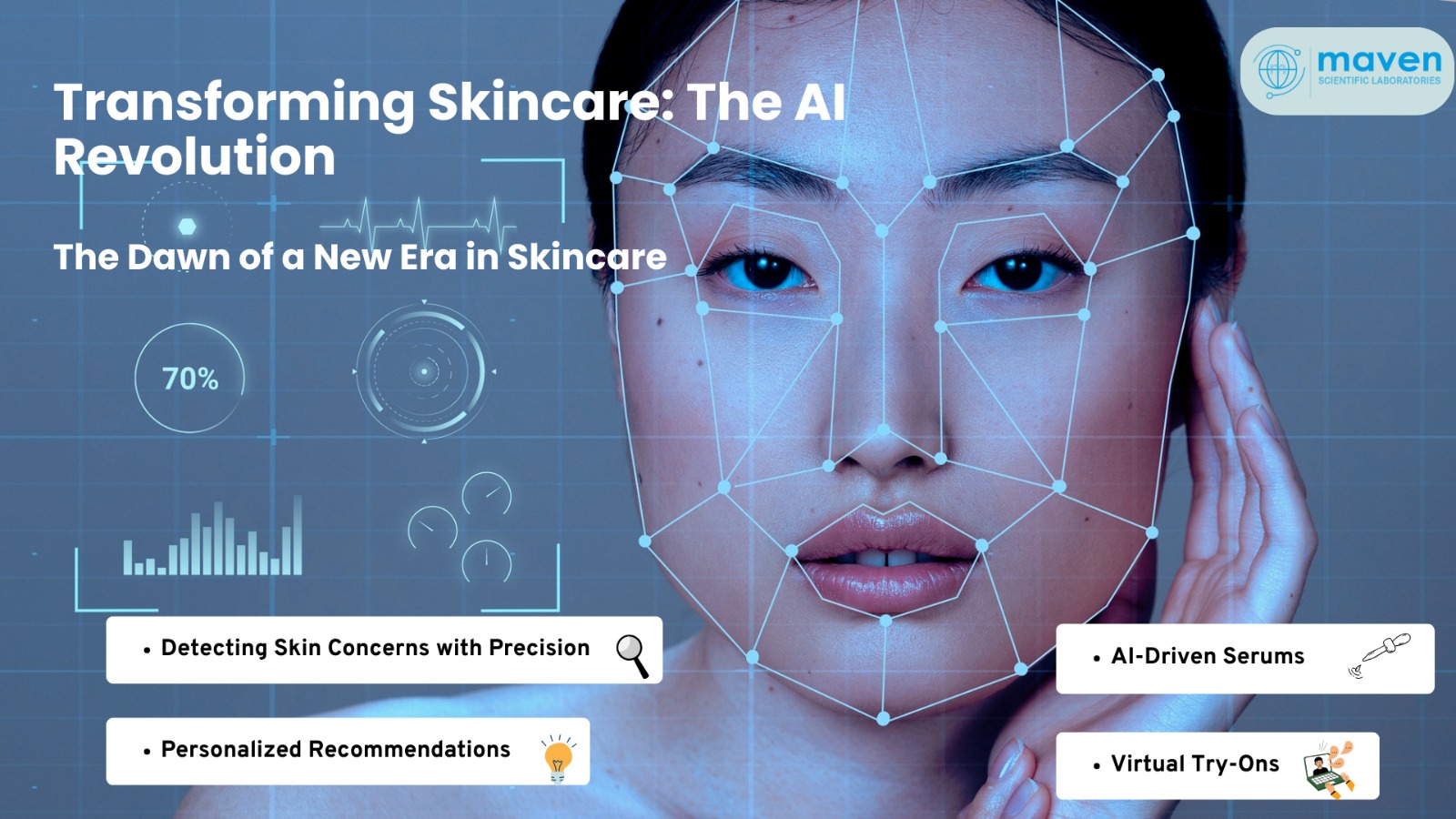
The convergence of artificial intelligence (AI), dermatological science, and cosmetic regulatory compliance is redefining the global skincare industry. AI-driven skincare solutions are no longer experimental innovations, they are shaping personalized cosmetic formulation, real-time skin diagnostics, predictive dermatology, and digital beauty ecosystems.
However, as AI transforms skincare personalization and cosmetic product development, it simultaneously introduces complex regulatory, data privacy, cosmetic safety, and AI governance considerations.
At Maven Regulatory Solutions, we support cosmetic manufacturers, digital beauty brands, and dermatology technology developers in aligning AI-driven skincare innovations with global cosmetic regulatory frameworks, toxicological safety requirements, and emerging AI governance standards.
The Rise of AI in Skincare: A Regulatory and Scientific Perspective
Artificial Intelligence in skincare leverages:
- Machine learning algorithms
- Computer vision systems
- Deep neural networks
- Predictive analytics
- Genetic data interpretation
- Augmented reality (AR) integration
These technologies enable hyper-personalized skincare solutions while raising new compliance considerations under:
- EU Cosmetic Regulation (EC) No 1223/2009
- US FDA cosmetic guidelines
- EU AI Act risk classification
- GDPR data privacy regulations
- Cosmetic Product Safety Report (CPSR) requirements
1. AI-Powered Personalized Skincare Formulation
How AI Personalization Works
AI systems analyze:
- Skin type (oily, dry, combination, sensitive)
- Pigmentation patterns
- Wrinkle depth and elasticity
- Acne severity scoring
- Lifestyle factors (UV exposure, pollution, sleep)
- Genetic markers (where applicable)
Using image recognition and biometric inputs, AI platforms generate individualized cosmetic product recommendations.
Scientific & Regulatory Consideration
| Aspect | Technical Requirement | Compliance Consideration |
| Ingredient Safety | Toxicological profile review | CPSR documentation |
| Claim Substantiation | Clinical or instrumental data | Advertising compliance |
| Data Processing | Biometric image analysis | GDPR compliance |
| Algorithm Transparency | AI decision logic validation | EU AI Act obligations |
2. AI Skin Diagnostics & Early Detection Technology
AI-based dermatological analysis tools use deep learning models trained on extensive dermatological datasets to detect:
- Hyperpigmentation
- Rosacea
- Acne severity
- UV damage
- Fine lines & wrinkles
- Suspicious Lesions
Precision Dermatology & Risk Mitigation
AI improves:
- Early skin condition detection
- Preventive skincare recommendations
- Treatment monitoring
- Clinical documentation accuracy
However, if AI systems diagnose medical conditions (e.g., melanoma detection), classification may shift toward medical device regulation under EU MDR or FDA device frameworks.
3. Virtual Try-On & Augmented Reality in Cosmetics
AI-enabled AR tools simulate:
- Foundation shade matching
- Concealer tone accuracy
- Texture visualization
- Finish comparison (matte, satin, dewy)
Compliance Implications
- Truth-in-advertising validation
- Claims substantiation evidence
- Digital representation accuracy
- Consumer transparency disclosures
Brands must ensure that virtual simulations do not mislead consumers under cosmetic advertising regulations.
4. Predictive Skin Aging Modeling
AI predictive analytics evaluate:
- Collagen degradation trends
- UV-induced damage progression
- Lifestyle-based aging acceleration
- Genetic predisposition markers
This predictive modeling supports:
- Anti-aging cosmetic positioning
- Preventive skincare regimens
- Long-term consumer engagement
Regulatory scrutiny applies when predictive claims suggest medical prevention rather than cosmetic benefit.
5. AI-Driven Custom Serums & Smart Formulation
Advanced AI platforms integrate:
- Real-time skin imaging
- Ingredient compatibility databases
- Stability modeling software
- Feedback-driven adaptive formulation
Technical Benefits
- Optimized active ingredient concentration
- Improved dermal tolerance
- Reduced formulation trial cycles
- Dynamic personalization updates
Regulatory Requirements
| Component | Regulatory Checkpoint |
| Active Ingredients | Restricted substance compliance |
| Stability | Stability testing protocols |
| Safety Margin | Margin of safety (MoS) calculation |
| Label Claims | Substantiation dossier |
6. Genetic Testing & DNA-Based Skincare
AI-assisted genomic analysis enables:
- Pigmentation susceptibility mapping
- Collagen metabolism evaluation
- Sensitivity predisposition profiling
- Oxidative stress risk assessment
This approach merges cosmetic science with precision dermatology.
Critical Regulatory Areas
- Informed consent protocols
- Genetic data protection
- Ethical AI governance
- Medical vs cosmetic claim boundaries
Ethical & Regulatory Considerations in AI Skincare
Data Privacy & Biometric Security
AI skincare platforms process:
- Facial recognition data
- Biometric skin scans
- Behavioral usage patterns
- Genetic data (in some cases)
Compliance with:
- GDPR
- CCPA
- EU AI Act
- Data minimization principles
is essential to mitigate legal risk.
AI Risk Classification Under EU AI Act
The EU AI Act introduces risk-based categorization:
| Risk Level | Example in Skincare |
| Minimal Risk | Virtual try-on filters |
| Limited Risk | Personalized recommendations |
| High Risk | Diagnostic AI with medical implications |
Companies must implement transparency, documentation, and risk management systems accordingly.
Emerging Trends AI & Skincare
- AI-driven cosmetic toxicology modeling
- Real-time environmental skin impact analytics
- AI-assisted sustainable formulation design
- Digital twin skin modeling
- Blockchain traceability integration
- AI-driven cosmetic safety prediction tools
- ESG-aligned cosmetic development
Regulators are increasingly examining algorithm accountability and AI explainability.
Strategic Compliance for AI-Driven Cosmetic Brands
At Maven Regulatory Solutions, we assist with:
- AI cosmetic regulatory risk assessment
- Cosmetic Product Safety Report (CPSR) preparation
- Ingredient toxicological evaluation
- AI claim substantiation documentation
- EU AI Act compliance mapping
- Data governance advisory
- Global cosmetic registration strategy
- Safety assessment of AI-personalized formulations
We integrate cosmetic regulatory science with AI governance expertise to ensure innovation aligns with global compliance frameworks.
Frequently Asked Questions (FAQ)
1. Is AI in skincare regulated?
Yes. AI tools may fall under cosmetic regulations, medical device laws, and AI governance frameworks depending on functionality.
2. Does personalized skincare require regulatory approval?
Cosmetic products must comply with applicable cosmetic regulations, including ingredient safety and claim substantiation.
3. How does the EU AI Act affect cosmetic AI tools?
High-risk AI systems may require additional documentation, transparency, and risk management compliance.
4. Are AI-based skin diagnostics considered medical devices?
If diagnostic claims are made, classification under medical device regulations may apply.
5. What compliance documentation is required?
CPSR, PIF documentation, toxicological risk assessments, ingredient safety data, and AI governance documentation.
Conclusion
Artificial Intelligence is fundamentally reshaping the skincare and cosmetics industry through personalization, predictive modeling, and precision dermatology. However, technological advancement must be matched with regulatory diligence.
The integration of AI in cosmetics demands:
- Scientific validation
- Toxicological safety assurance
- Transparent algorithm governance
- Global regulatory compliance alignment
Organizations that proactively integrate compliance frameworks into AI skincare innovation will lead the next generation of responsible digital beauty.
Through technical excellence and regulatory foresight, Maven Regulatory Solutions supports brands in navigating the complex intersection of AI, cosmetic safety, and global compliance.

Post a comment