
March 28, 2025
The European Union (EU) has implemented comprehensive regulations for synthetic fertilizers to ensure safety, environmental sustainability, and free trade within its Single Market. These rules, primarily governed by the EU Fertilizing Products Regulation (EU) 2019/1009, provide a harmonized framework for the production, marketing, and use of fertilizers across the EU. This blog explores the key aspects of these guidelines, including CE marking requirements, contaminant limits, and sustainability goals.
What Are Synthetic Fertilizers?
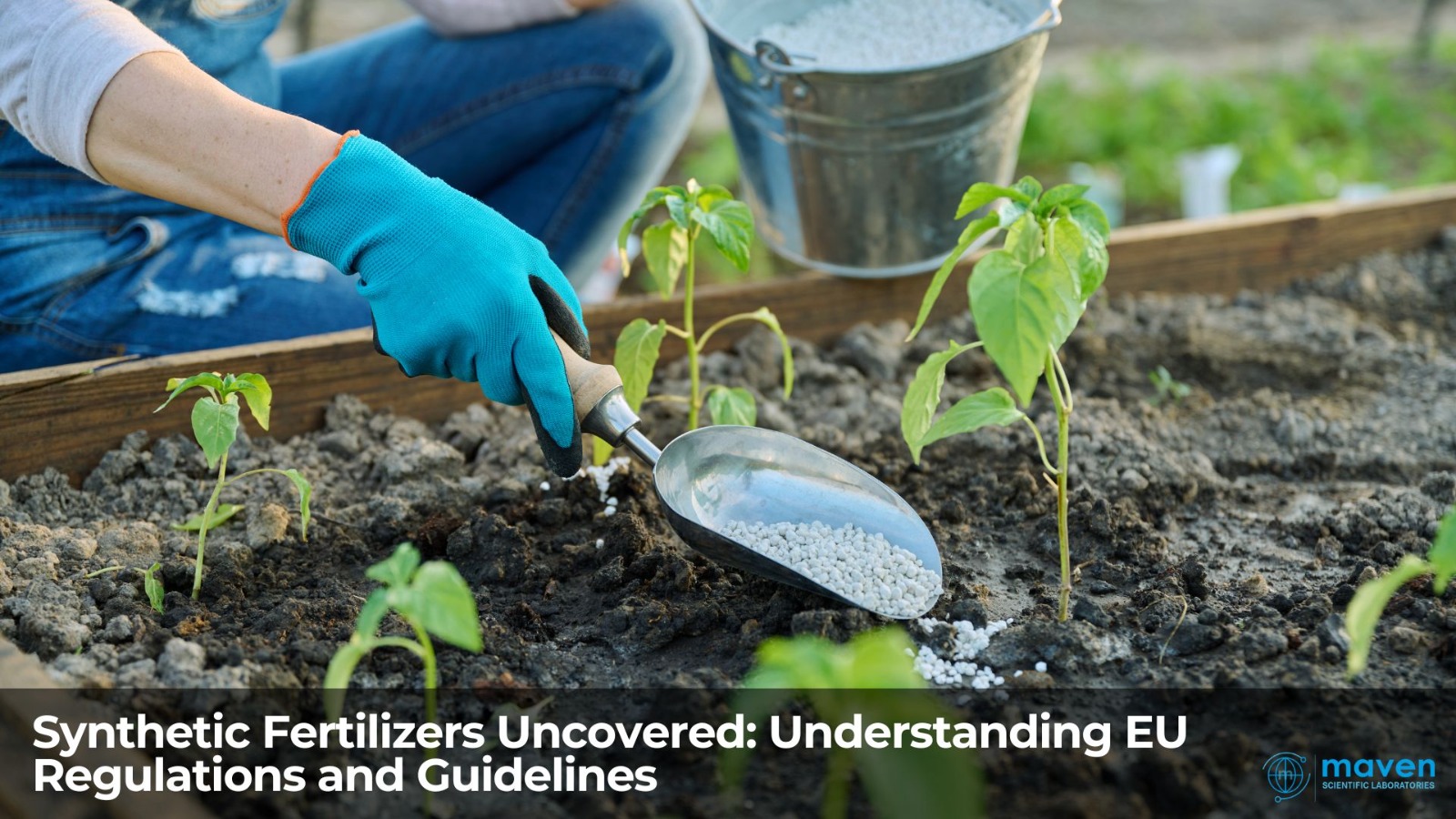
Synthetic fertilizers are chemically manufactured substances designed to supply essential nutrients for plant growth, primarily nitrogen (N), phosphorus (P), and potassium (K). These fertilizers are formulated using industrial processes that extract or synthesize nutrients from minerals, gases, or other inorganic sources. Unlike organic fertilizers, which derive nutrients from natural materials like compost or manure, synthetic fertilizers provide a concentrated and fast-acting nutrient boost to plants.
Key Characteristics of Synthetic Fertilizers:
- Fast-acting performance: Water-soluble, allowing plants to absorb nutrients almost immediately after application.
- Precise nutrient composition: Available in specific NPK ratios tailored to different crops or soil conditions.
- Various forms: Found in granules, liquids, or spikes for easy application.
While synthetic fertilizers are highly effective at promoting rapid plant growth, they do not improve soil structure or long-term fertility. Overuse can lead to environmental concerns such as nutrient runoff polluting waterways and soil degradation.
Overview of EU Fertilizing Products Regulation
The EU Fertilizing Products Regulation (FPR), which became applicable in July 2022, replaces the earlier 2003 regulation. It broadens the scope beyond mineral fertilizers to include:
- Organic fertilizers
- Soil improvers
- Growing media
- Plant bio stimulants
Objectives of the Regulation:
Harmonize Standards – Establish uniform quality and safety standards for fertilizers across the EU.
Promote Sustainability – Encourage the use of organic and waste-based fertilizers in line with the EU’s circular economy goals.
Enhance Market Access – Allow products bearing the CE marking to circulate freely within the EU Single Market.
Key Requirements for Synthetic Fertilizers
1. CE Marking
To market synthetic fertilizers across the EU, manufacturers must obtain CE marking, which demonstrates compliance with strict environmental and safety standards. This process involves:
- A conformity assessment procedure carried out by notified bodies.
- Compliance with defined Component Material Categories (CMCs), specifying acceptable raw materials.
- Meeting labelling requirements, ensuring clear information for users, including nutrient content, safety precautions, and application instructions.
2. Contaminant Limits
The regulation introduces maximum allowable limits for toxic contaminants, ensuring environmental and human health safety. Key limits include:
- Cadmium levels in phosphate-based fertilizers capped at 60 mg/kg to reduce soil contamination and health risks.
- Restrictions on arsenic, mercury, and lead to prevent long-term soil and water pollution.
3. Optional Harmonization
Manufacturers can choose whether to comply with EU-wide harmonized standards (CE marking) or follow national regulations for specific member states. This flexibility allows businesses to market their products locally without adhering to EU-wide certification requirements.
Sustainability Goals
The FPR aligns with the EU Green Deal and circular economy initiatives, encouraging:
Recycling Waste into Fertilizers – Promoting large-scale production of fertilizers from organic or secondary raw materials.
Low-Carbon Solutions – Supporting the development of low-carbon fertilizer products to reduce greenhouse gas emissions.
Reduced Dependency on Imports – Strengthening domestic production capacities to decrease reliance on non-EU suppliers.
Obligations for Economic Operators
The regulation outlines specific responsibilities for manufacturers, importers, distributors, and authorized representatives, including:
- Conducting conformity assessments before placing products on the market.
- Ensuring proper labeling and documentation in compliance with regulatory standards.
- Monitoring product safety through post-market surveillance and reporting adverse effects.
Challenges and Opportunities
While the new regulations impose stricter requirements on manufacturers, they also create opportunities for innovation in sustainable fertilizer production. Companies that meet these standards can:
Gain access to a broader market within the EU Single Market.
Develop eco-friendly alternatives that align with global sustainability trends.
Enhance consumer trust by ensuring product quality and regulatory compliance.
Conclusion
The EU’s Fertilizing Products Regulation (EU) 2019/1009 represents a significant step forward in harmonizing fertilizer standards while promoting sustainability. For manufacturers of synthetic fertilizers, understanding and complying with these guidelines is essential for market access and long-term success. By aligning with these regulations, businesses can contribute to a greener future while ensuring high-quality products for farmers across Europe.

Post a comment