
April 28, 2025
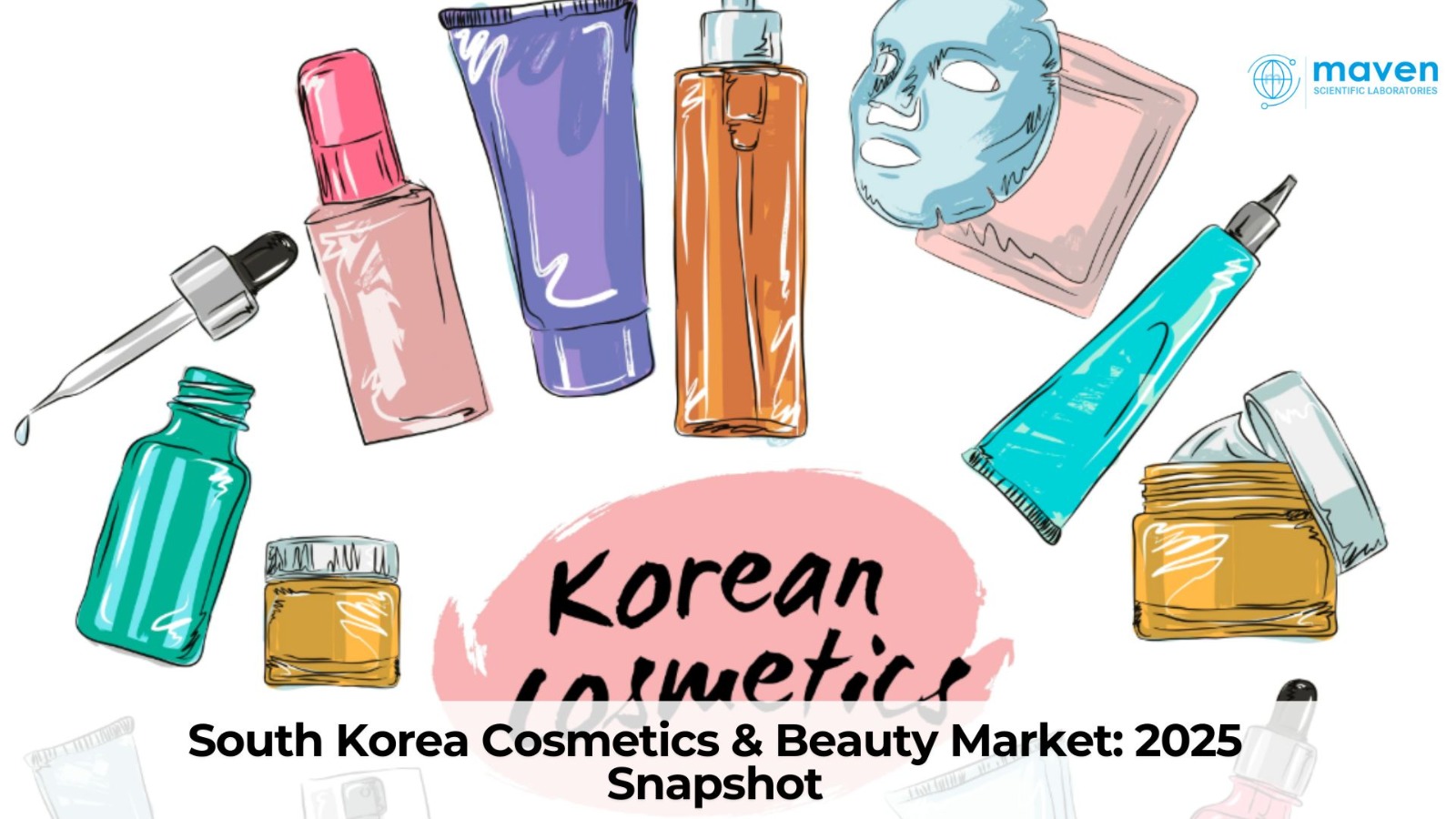
South Korea remains a global leader in cosmetics innovation, driven by technology, consumer sophistication, and cultural influence. With a market valued at approximately USD 9.2 billion in 2023 and a projected CAGR of 4.5–5.5% through 2028, South Korea continues to shape global beauty trends.
Market Overview
The market thrives on a strong domestic skincare culture, high per capita beauty spending, and growing global demand for K-beauty. Leading product categories include:
- Skincare (51%+): Serums, masks, ampoules, moisturizers.
- Color Cosmetics: BB/CC creams, cushion compacts, lip tints.
- Men’s Grooming: Growing demand for toners, creams, grooming kits.
- Haircare & Fragrances: Smaller but steadily growing.
Consumer Behavior
Korean beauty consumers are highly informed and trend-sensitive. Preferences include:
- Transparent, natural ingredients like centella and niacinamide.
- Cruelty-free, vegan, and eco-friendly products.
- Multi-functional items that simplify routines.
- AI-driven beauty tools for personalized skincare.
- Celebrity and K-pop influence, especially among Gen Z.
Global Reach
South Korea ranks among the top five cosmetics exporters. Key destinations include China, the U.S., Southeast Asia, and Japan.
Export Strengths:
- High quality at accessible prices.
- Unique, travel-friendly packaging.
- Strong digital marketing and influencer engagement.
Regulatory Framework (MFDS)
The Ministry of Food and Drug Safety (MFDS) oversees cosmetics under the Cosmetic Act.
Key Regulations:
- Product Classification: General vs. Functional (e.g., anti-wrinkle, UV protection).
- Labeling: Mandatory Korean-language labels with product, usage, and ingredient details.
- Ingredient Controls: Only approved additives allowed; safety and pH compliance required.
- Claims Substantiation: Scientific data needed for functional claims.
- Importer Role: Foreign brands must partner with a local Responsible Cosmetic Distributor (RCD).
Emerging Trends
- Dermacosmetics: Skincare backed by dermatological science, targeting conditions like acne and rosacea.
- Skinimalism: Fewer, more effective products.
- AI Personalization: DNA kits, smart mirrors, and custom regimens.
- Sustainable Beauty: Waterless products, biodegradable packaging.
- Men’s Cosmetics: Rapid growth among younger consumers.
Market Entry Strategy
To succeed in Korea’s competitive beauty market:
- Localize products to align with Korean aesthetics and expectations.
- Invest in R&D and evidence-based claims.
- Engage K-pop culture and influencers for visibility.
- Ensure regulatory compliance with MFDS.
- Collaborate with local partners for market access.
Conclusion
South Korea is not just a beauty hub—it’s a global force. Brands entering this market must meet high standards in innovation, compliance, and cultural alignment. Those who do will gain access to one of the most dynamic beauty ecosystems in the world.

Post a comment