
November 12, 2025
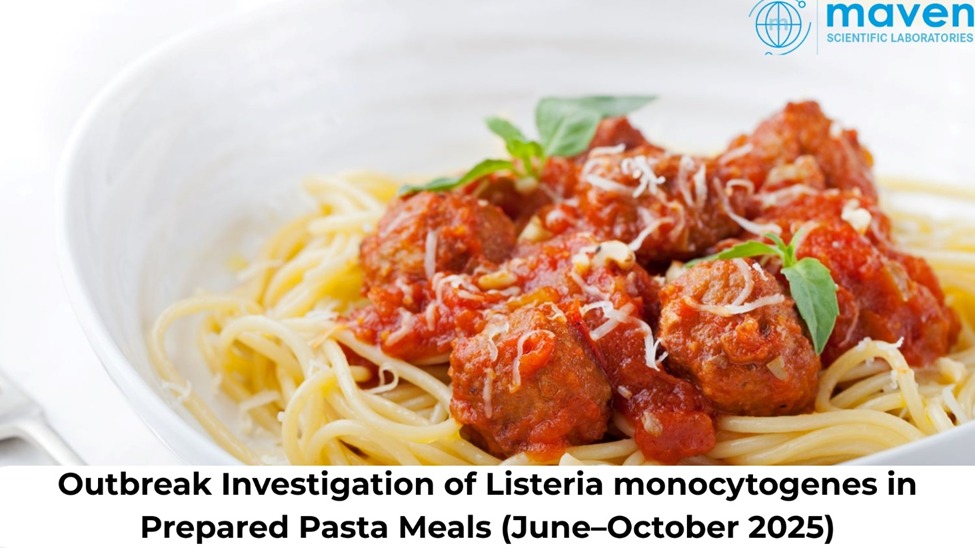
The U.S. Food & Drug Administration (FDA), U.S. Department of Agriculture Food Safety and Inspection Service (USDA FSIS), and Centers for Disease Control and Prevention (CDC), in collaboration with state and local partners, are investigating a multistate outbreak of Listeria monocytogenes linked to prepared pasta meals.
This outbreak highlights the urgent importance of food safety regulations, product recalls, labeling compliance, and pathogen control measures for food manufacturers, retailers, and regulatory stakeholders.
Background of the Outbreak
On September 30, 2025, a supplier expanded their recall of pre-cooked pasta products after laboratory testing confirmed the presence of Listeria monocytogenes. The recalled pasta types included:
- Fettuccine
- Linguine
- Farfalle (bowtie pasta)
Affected prepared meals made with this pasta were sold nationwide in refrigerated and frozen sections. These products were intended for microwaving or cooking before eating.
Recalled Products (Highlights)
Several recalls and alerts were issued between June and October 2025 for prepared pasta meals, including:
- Deli bowtie and penne pasta salads sold across multiple U.S. states (Kroger recall).
- Shrimp Scampi with Linguini bowls – with specific best-by dates in March 2027.
- Cajun Style Blackened Chicken Breast Fettucine Alfredo with best-by dates spanning September–October 2025.
- Store-made deli pasta salads across major retailers with September–October 2025 sell-through dates.
- Linguine with beef meatballs & marinara sauce with best-by dates in late September–October 2025.
- Grilled Chicken Alfredo with Fettuccine with best-by dates up to June 2025.
- Chicken Fettuccine Alfredo with best-by dates up to June 2025.
Consumers uncertain about their purchases were advised to check refrigerators and freezers and contact their retailers.
Symptoms of Listeriosis
Listeriosis symptoms can appear within hours to 10 weeks after exposure.
- Mild illness: fever, nausea, diarrhea, muscle aches, tiredness.
- Severe illness: stiff neck, headache, confusion, convulsions, loss of balance.
- Pregnant women & newborns: infection can cause miscarriage, stillbirth, premature birth, or life-threatening complications.
- High-risk groups: adults over 65, immunocompromised individuals, and pregnant women are most vulnerable.
Public Health Impact
- As of September 25, 2025:
- 20 confirmed cases were reported across 15 states.
- 19 hospitalizations.
- 4 deaths.
- 1 fetal loss linked to infection during pregnancy.
This outbreak underscores the serious public health risks posed by Listeria monocytogenes in ready-to-eat and pre-cooked foods.
Regulatory & Compliance Implications
The outbreak reinforces the need for:
- Strict Hazard Analysis and Critical Control Points (HACCP) protocols in food manufacturing.
- Environmental monitoring programs target Listeria control.
- Robust traceability systems for rapid product recall management.
- Clear labeling and consumer communication to prevent foodborne illness.
- Compliance with FDA, USDA FSIS, and CDC regulations for outbreak reporting and corrective actions.
Food businesses must be prepared for regulatory investigations, recall costs, and reputational risks.
Conclusion
The 2025 Listeria monocytogenes outbreak in prepared pasta meals is a stark reminder of the critical importance of food safety, regulatory compliance, and rapid outbreak response. For food and supplement manufacturers, maintaining rigorous control measures is not optionality is essential to protect public health, avoid penalties, and safeguard consumer trust.
At Maven Regulatory Solutions, we help companies navigate food safety regulations, recall readiness, HACCP compliance, and outbreak management strategies to minimize risk and ensure regulatory alignment.

Post a comment