
October 02, 2024
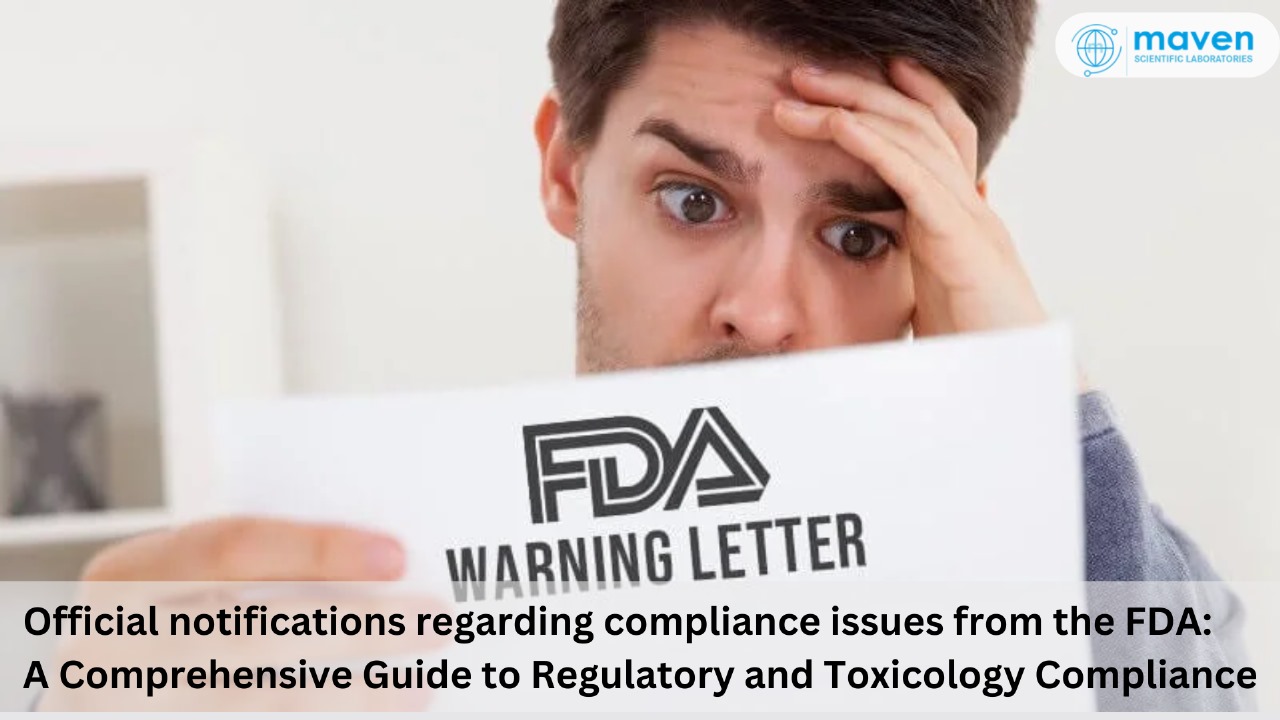
When a pharmaceutical company receives a warning letter from the U.S. Food and Drug Administration due to violations of the Federal Food, Drug, and Cosmetic Act and Current Good Manufacturing Practice regulations, swift and strategic action is essential. This guide explores the critical steps for addressing unapproved new drug violations and CGMP infractions, focusing on regulatory guidelines and toxicology risk assessments.
Understanding the FDA Warning Letter
In a recent instance, a company received an FDA warning letter for distributing unapproved new drugs and failing to comply with CGMP regulations. The products, promoted for conditions such as gastric acidity and oral mucositis, were unapproved by the FDA. Additionally, there were deficiencies in the company’s manufacturing practices, including inadequate investigations of product complaints, issues with crystallization in injectables, and insufficient stability testing.
To prevent further regulatory actions and ensure product safety, companies must implement corrective actions and long-term compliance strategies. The following outlines the essential regulatory and toxicology steps required to address such FDA warning letters effectively.
1. Regulatory Guidelines Compliance
Addressing Unapproved New Drug Violations
One of the most critical violations in these cases is distributing unapproved new drugs. Under sections 301(d) and 505(a) of the FD&C Act, these products must undergo a rigorous review process to gain FDA approval.
- Submit a New Drug Application (NDA) or Abbreviated New Drug Application (ANDA):
The company must initiate an NDA or ANDA submission to demonstrate the safety and efficacy of its products for the intended uses. Clinical data supporting the therapeutic claims made in product labelling is essential. - Review and Update Product Labelling:
All product labelling, including package inserts and promotional materials, must be revised to reflect only FDA-approved indications. Any misleading claims must be removed to comply with regulatory standards.
CGMP Violations (21 CFR parts 210 and 211)
CGMP regulations are the foundation of ensuring drug product safety, efficacy, and quality. Violating these regulations can lead to severe consequences, including product recalls and further regulatory action. Addressing CGMP violations requires a comprehensive approach.
- Implement a Robust Corrective and Preventive Action (CAPA) System:
A well-structured CAPA system is critical to resolving product complaints and preventing future issues. The company must review its CAPA processes to ensure they meet FDA standards, focusing on root cause analyses and the timely implementation of corrective actions. - Enhance Complaint Handling Procedures:
Improving the complaint-handling system is necessary to address issues such as crystallization in injectable products. Each complaint must be thoroughly documented, investigated, and resolved within a defined timeframe. - Upgrade Stability Testing Program:
Stability testing is crucial to ensure that drug products remain safe and effective throughout their shelf life. Following ICH Q1A(R2) guidelines, the company must establish a stability testing program that can detect impurities and degradation over time. - Hire a CGMP Consultant:
Engaging a qualified CGMP consultant can assist with reviewing and updating the company’s quality control systems. A third-party expert can help identify gaps and implement corrective actions in line with FDA regulations.
2. Toxicology Risk Assessment
Conducting Toxicological Evaluations for Unapproved Drugs
Unapproved drugs must undergo rigorous toxicology risk assessments to ensure their safety. For products mentioned in an FDA warning, the company must conduct toxicological evaluations that encompass both preclinical and clinical data.
- Preclinical and Clinical Data Generation:
The company must provide preclinical (animal) and clinical trial data demonstrating the safety of the drugs. If no such data exists, new studies must assess factors like dose-response relationships, toxicity levels, and ADME (Absorption, Distribution, Metabolism, and Excretion) profiles. - Risk Assessment for Impurities:
Any unknown impurities identified in failed stability tests must be investigated. Toxicology risk assessments should follow ICH Q3A/B guidelines, identifying the chemical nature of impurities and determining safe exposure limits (e.g., NOAEL – No Observed Adverse Effect Level).
Health Risk Assessment for Lead Contamination
Lead contamination in drug products poses significant health risks. A thorough toxicology risk assessment is required to evaluate the levels of lead and assess its potential impact.
- Heavy Metal Analysis and Risk Mitigation:
Validated analytical methods should be used to measure lead levels. If contamination levels exceed permissible limits, corrective actions must be taken to mitigate the risk.
3. Strategic Action Plan for FDA Compliance
To address FDA concerns and prevent future regulatory actions, companies must develop a comprehensive action plan that includes immediate corrective measures and long-term strategies.
- Comprehensive Manufacturing Process Review:
A detailed review of the manufacturing processes is necessary, focusing on the root causes of issues like crystallization in injectables. Necessary changes must be implemented to ensure product quality. - Continuous Internal Audits:
Regular internal audits of manufacturing and quality control processes are essential for maintaining compliance with regulatory standards, including CGMP and toxicology risk assessments. - Timely Response to FDA:
Companies must respond to the FDA within 15 working days, detailing the corrective actions taken. This response should address unapproved drug violations and CGMP lapses.
4. Long-Term Compliance Strategy
Maintaining FDA compliance requires a proactive approach and an ongoing commitment to quality and safety. Key actions include:
- Training and Development:
Ensure all staff involved in regulatory compliance, quality control, and manufacturing are trained regularly on updated FDA requirements and CGMP standards. - Continuous Product Quality Monitoring:
Implement a continuous improvement cycle focused on product quality, safety, and efficacy. Regular risk assessments, process audits, and CAPA adjustments are critical for compliance.
Conclusion
Addressing FDA warning letters requires a comprehensive approach involving regulatory compliance, toxicology risk assessments, and robust quality management systems. By following these steps, pharmaceutical companies can resolve FDA concerns, mitigate future risks, and ensure the safety and quality of their products. Engaging third-party experts, conducting thorough toxicological evaluations, and staying up to date with regulatory standards are key to maintaining compliance in this highly regulated industry.

Post a comment