
July 26, 2024
In today’s fast-paced tech landscape, keeping up with global regulations is more essential than ever. As technology evolves, so do the regulations that govern it. Online platforms must continuously update their compliance measures to protect user trust and avoid significant penalties. Failure to adapt can lead to user loss, market shrinkage, and hefty fines.
Both regulators and tech companies need to foster a collaborative, multi-stakeholder ecosystem to stay aligned with technological advancements and regulatory requirements. This partnership ensures that regulations are crafted and followed in a manner that accommodates the rapid evolution of technology.
The High Cost of Non-Compliance
Non-compliance with current regulations is already costing tech companies billions in penalties. While some large platforms may absorb these costs, others may struggle to stay operational. Emerging regulations now address more than just data management—they extend into content responsibility, platform safety, and competitive practices. Staying informed and proactive is crucial for companies aiming to thrive amidst these evolving standards.
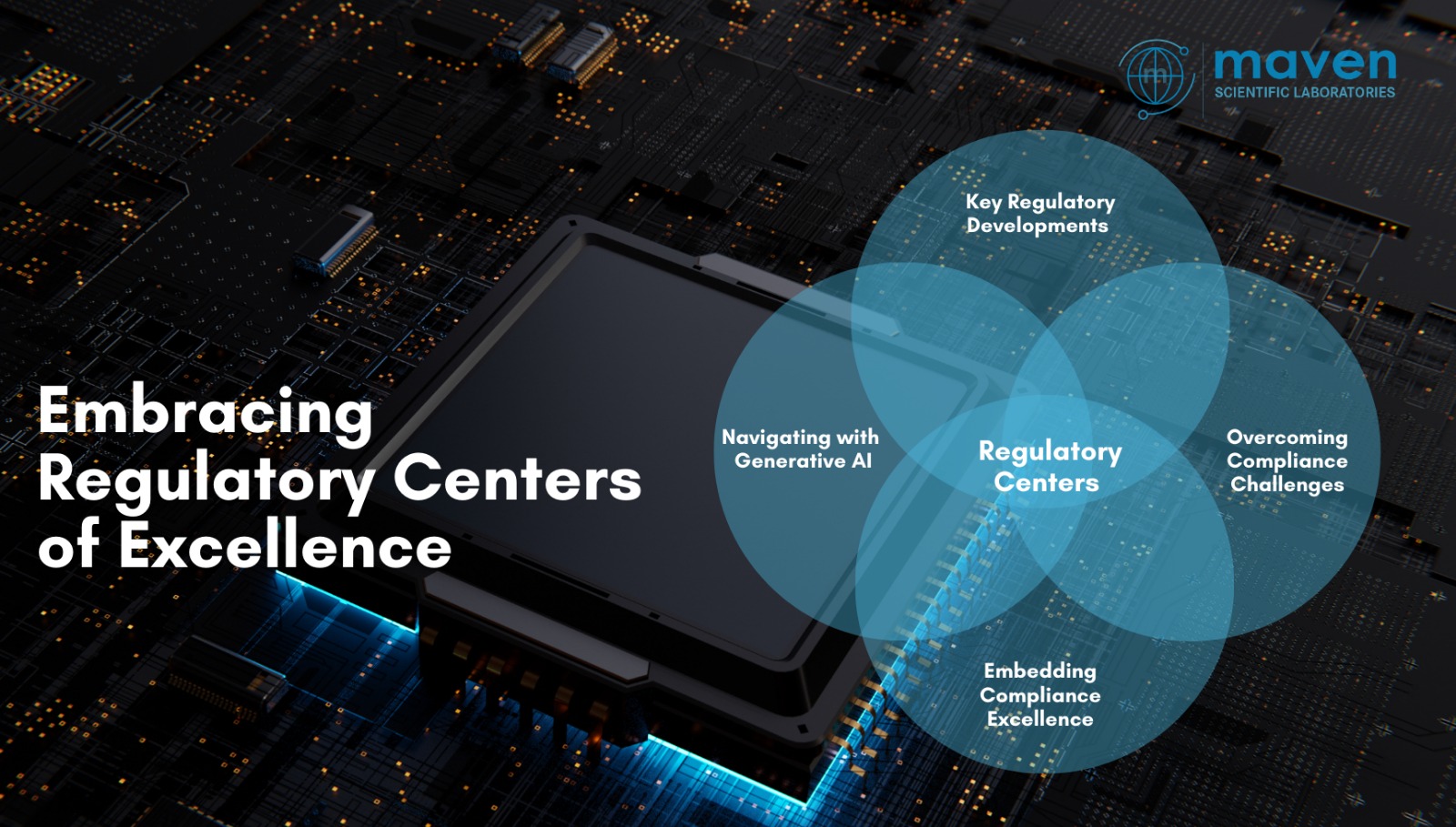
Navigating New Frontiers with Generative AI
Generative AI is pushing the boundaries of regulation, presenting new challenges for governments and organizations. As industries explore the potential of generative AI, questions arise about its implications for trust and safety. Are governments equipped to handle the long-term effects? Are platforms fully aware of the potential impacts on their ecosystems?
Sam Altman, CEO of OpenAI, has suggested the creation of an international watchdog agency to oversee AI technologies, similar to the International Atomic Energy Agency. Conversely, Google delayed the release of Bard AI in the EU due to data privacy concerns, highlighting the complex balance between innovation and regulation.
The recent EU AI Act aims to balance consumer protection with innovation by classifying AI technologies based on their risk levels. Meanwhile, China has proposed regulations requiring companies to register and assess generative AI products before their public release, with penalties for non-compliance.
These regulations address unique risks and challenges associated with generative AI, and robust compliance measures are essential for navigating these complexities.
Key Regulatory Developments to Watch
Several new regulatory frameworks are shaping the digital landscape:
- EU Digital Services Act (DSA) and Digital Markets Act (DMA): These regulations aim to create a safer digital environment and a fair playing field, with significant penalties for non-compliance.
- UK Online Safety Bill: Focuses on ensuring online platforms are responsible for user safety, especially concerning harmful content.
- California Age-Appropriate Design Code: Requires online services to prioritize the best interests of children in platform design and development.
- Code of Practice for Interactive Computer Service Platforms (Nigeria): Mandates prompt content takedowns, annual compliance reports, and risk assessments.
- Model AI Governance Framework (Singapore): Provides guidance on ethical AI deployment through the AI Verify framework.
- eSafety (Australia): Addresses online safety issues such as cyberbullying and harmful content.
Additionally, proposed reforms to Section 230 of the US Communications Decency Act could significantly impact platform responsibilities.
Overcoming Compliance Challenges
Meeting new regulatory requirements presents several challenges:
- Tracking and Implementing Regulations: Managing diverse regulatory frameworks across jurisdictions can impact operations and profitability.
- Operational Adjustments: Regulations may necessitate changes in resource planning, team structures, and processes.
- Compliance Management: Requires robust systems for data collection, analysis, and reporting, along with effective coordination between product development and operational compliance.
Embedding Compliance Excellence
To address these challenges, companies should establish a Regulatory Center of Excellence (CoE). A CoE provides:
- Expertise and Specialization: A team with deep knowledge of technology, trust, safety, and regulations.
- Consistency and Standardization: Agile frameworks to ensure compliance from development to operations.
- Centralized Coordination: Improved risk management and decision-making through the elimination of silos.
- Agility: Systems that adapt to regulatory changes with minimal impact on product health.
- Continuous Improvement: A hub for knowledge sharing, data analysis, and innovation.
- External Partnerships: Engagement with industry peers, regulatory bodies, and legal experts.
Implementing a CoE helps build trust, enhance user safety, and future-proof operations against evolving regulations.
Preparing for the Future
As technology and regulations continue to advance, the complexity of compliance will increase. Companies that invest in the right frameworks and expertise now will be better positioned to maintain compliance, protect users, and uphold their brand reputation. By embracing a regulatory CoE and staying proactive, businesses can navigate the complexities of global compliance and thrive in an increasingly regulated digital world.
Conclusion
In a rapidly evolving tech landscape, ensuring compliance is vital as regulations now cover content responsibility, platform safety, and competition. The rise of generative AI further complicates compliance, underscoring the need for agile frameworks.
A Regulatory Center of Excellence (CoE) offers a strategic edge by centralizing expertise, standardizing processes, and enhancing collaboration. This approach mitigates risks, helps platforms adapt to regulatory changes, and maintains user trust.
Investing in a CoE and staying ahead of regulations can prevent significant fines, reduce disruptions, and establish leadership in digital safety. Preparing now equips businesses to navigate global compliance complexities and succeed in a regulated digital world.
#RegulatoryCompliance #TrustAndSafety #TechRegulations #GenerativeAI #RegulatoryExcellence #DigitalSafety #ComplianceManagement #AIRegulation #OnlineSafety #TechInnovation #FutureProofing #RegulatoryCenter #ContentResponsibility #PlatformSafety #GlobalCompliance

Post a comment