
September 13, 2025
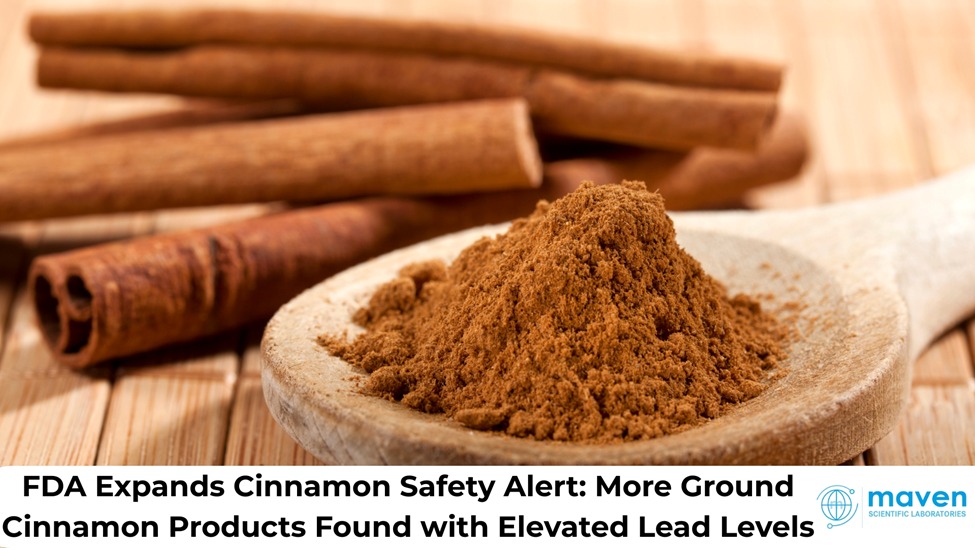
The U.S. Food and Drug Administration (FDA) has updated its public health alert on ground cinnamon. More brands have been added to the list of products that contain unsafe levels of lead. Eating these products may be harmful, especially for children and people exposed to lead from other sources.
What’s New
- September 12, 2025 – Jiva Organic ground cinnamon found with high lead levels (samples collected by FDA).
- November 1, 2024 – Super Brand ground cinnamon tested by Arkansas Department of Health and reviewed by FDA also showed elevated lead.
- August 30, 2024 – Asli brand ground cinnamon added to the alert after state sampling.
These updates show the FDA is continuing to test cinnamon products nationwide and add brands to the unsafe list as needed.
Products with Elevated Lead Levels
FDA testing, along with state health departments, found 11 brands of ground cinnamon that may be unsafe. Consumers should not eat, sell, or buy these products.
List of Products Affected:
- Jiva Organics – 2.29 ppm lead
- Super Brand – 6.60–7.68 ppm lead
- Asli Fine Foods – 2.32 ppm lead
- El Chilar – 3.75–7.01 ppm lead
- Marcum (Save-A-Lot) – 2.14–2.22 ppm lead
- SWAD (Patel Brothers) – 2.89 ppm lead
- Supreme Tradition (Dollar Tree) – 2.37 ppm lead
- Compania Indillor Orientale – 2.23 ppm lead
- ALB Flavor – 3.93 ppm lead
- Shahzada – 2.03 ppm lead
- Spice Class – 2.04 ppm lead
- La Frontera – 2.66 ppm lead
(Ppm = parts per million; see FDA table for full lot codes and product images.)
FDA Recommendations for Consumers
- Stop using these products immediately
- Do not eat, sell, or serve the cinnamon products listed above
- Throw away any packages you already have at home
- Remember: cinnamon has a long shelf life, so check your pantry carefully
- If you think someone has been exposed to lead, talk to a healthcare provider
- Most people will not show immediate symptoms of lead exposure, but children are at higher risk
Health Risks of Lead in Food
The FDA warns that long-term exposure to lead can:
- Build up in the blood over months or years
- Cause serious health effects, especially for children and pregnant women
- Affect brain development in children (learning problems, lower IQ, behavior issues)
- Harm infants and unborn babies exposed in utero
The level of harm depends on:
- Age of the person
- How much and how often the product is eaten
- Other sources of lead exposure
FDA’s Advice to Reduce Risk
- Follow the Dietary Guidelines for Americans for good nutrition
- Eat a variety of foods from all five food groups: vegetables, fruits, grains, dairy, protein
- Rotate foods and avoid eating the same spice/product too often
- Balanced nutrition can help reduce the effects of lead exposure
Purpose of This Alert
The FDA says these recalls are part of its Closer to Zero initiative, which aims to reduce lead exposure in children’s foods.
- Cinnamon is often used in foods for young children (like cereals, snacks, desserts)
- By recalling unsafe cinnamon, FDA helps prevent extra lead exposure in kids’ diets
- So far, no illnesses have been reported from these cinnamon products
Scope of the Problem
This is the third FDA public health alert for ground cinnamon in 2024–2025.
- 11 products recalled so far
- Lead levels range from 2.03 ppm to 7.68 ppm
- Much lower than the 2023 WanaBana cinnamon applesauce recall, which had 2,270–5,110 ppm lead
- Testing was carried out by FDA with help from state health departments in Arkansas, California, Maryland, Missouri, Connecticut, Virginia, and New York
FDA Actions
The FDA is:
- Working with states to test more cinnamon products sold in stores
- Testing imported cinnamon to stop unsafe products before they enter the U.S.
- Asking suppliers and manufacturers (domestic and foreign) to test their own cinnamon products
- Reminding companies, they must follow food safety rules to prevent chemical hazards
- Continuing its Toxic Elements monitoring program, which tests many foods (including spices) for harmful metals like lead and chromium
- Seeking new rules under FD&C Act that would require food companies to test products (especially infant and child foods) for contaminants

Post a comment