
March 28, 2025
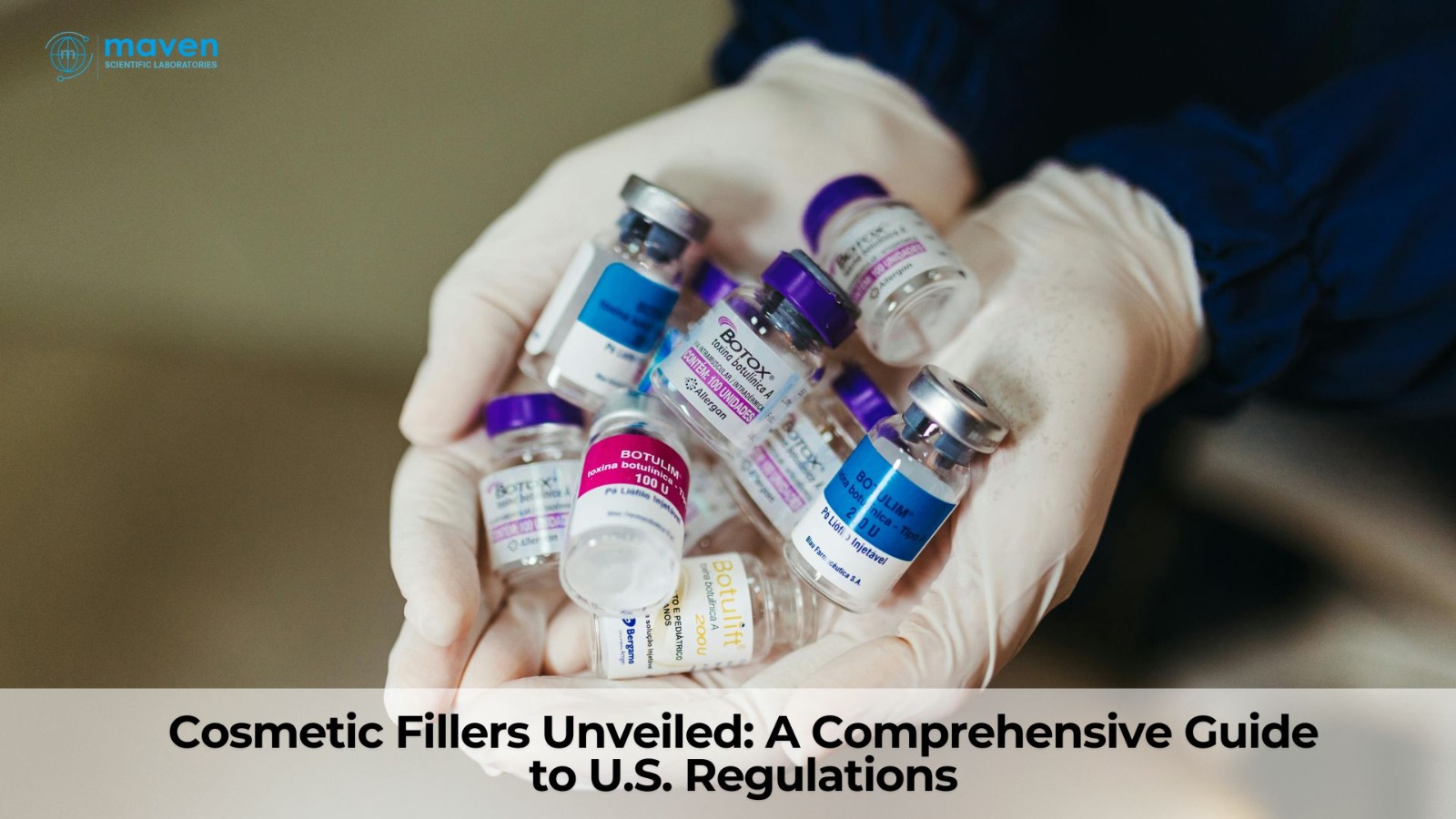
The regulation of cosmetic fillers in the U.S. is a critical aspect of ensuring consumer safety and product efficacy. As the popularity of cosmetic injectables, such as dermal fillers and Botox, continues to rise, understanding the regulatory landscape becomes essential for both consumers and practitioners. This blog will delve into how the U.S. Food and Drug Administration (FDA) oversees these products, the approval processes involved, and the implications for manufacturers and users alike.
Overview of FDA Regulation
The FDA regulates cosmetic fillers under the Federal Food, Drug, and Cosmetic Act (FD&C Act). This legislation mandates that all cosmetic products meet specific safety and efficacy standards before they can be marketed to consumers.
Classification:
- Botox and similar neurotoxins are regulated as drugs because they alter physiological functions.
- Dermal fillers, used for volume restoration and wrinkle reduction, are medical devices and subject to different regulatory pathways based on risk classification.
Classification of Cosmetic Fillers
The FDA classifies dermal fillers as medical devices under three risk categories:
- Class I Devices – Low-risk items that typically do not require premarket notification.
- Class II Devices – Moderate-risk devices, such as certain dermal fillers, that require a 510(k) premarket notification to demonstrate substantial equivalence to existing products.
- Class III Devices – High-risk devices requiring a Premarket Approval (PMA) process, including rigorous clinical trials to prove safety and effectiveness.
Approval Process for Cosmetic Fillers
Before a cosmetic filler can be marketed in the U.S., it must undergo a thorough evaluation by the FDA:
- Premarket Approval (PMA) – Required for Class III devices, involving extensive clinical trials to provide safety and efficacy data. The FDA reviews these studies alongside manufacturing practices to ensure regulatory compliance.
- 510(k) Notification – Applied to Class II devices, where manufacturers must demonstrate their product is substantially equivalent to an already approved device. This process is less demanding than PMA but still requires comprehensive documentation.
Post-Market Surveillance
Once a cosmetic filler is approved, the FDA continues to monitor its safety through:
- MedWatch Program – A reporting system where healthcare professionals and consumers can submit adverse event reports.
- Manufacturer Reporting – Companies must report adverse events and may need to conduct additional studies if safety concerns arise.
- Routine Inspections – The FDA inspects manufacturing facilities to ensure compliance with Good Manufacturing Practices (GMP), which include sterility standards, contamination prevention, and consistency in production.
Safety Concerns and Recommendations
The FDA has issued warnings regarding certain practices associated with cosmetic fillers:
- Unapproved Products – Consumers should avoid non-FDA-approved dermal fillers or those sold directly to the public, as they may be counterfeit or contaminated.
- Injection Techniques – The use of needle-free devices for dermal filler administration is not FDA-approved due to concerns about safety and precision.
- Qualified Practitioners – Only licensed healthcare professionals should administer injectable fillers. Proper training in facial anatomy and injection techniques is crucial to minimize risks.
Recent Legislative Changes
The Modernization of Cosmetics Regulation Act (MoCRA) of 2022 has expanded the FDA's authority over cosmetic products. Key provisions include:
- Facility Registration – Manufacturers must register their facilities and list all marketed products with the FDA.
- Adverse Event Reporting – Enhanced requirements for reporting safety concerns related to cosmetic products.
- Good Manufacturing Practices (GMP) – The FDA will establish enforceable quality control standards to ensure product safety and consistency.
Conclusion
The regulation of cosmetic fillers in the U.S. is designed to protect consumers while ensuring product safety and efficacy. With the increasing demand for aesthetic treatments, the role of the FDA in enforcing regulations and monitoring adverse events remains crucial. By understanding these guidelines, both consumers and practitioners can make informed decisions, contributing to safer outcomes in aesthetic procedures.

Post a comment