
September 27, 2024
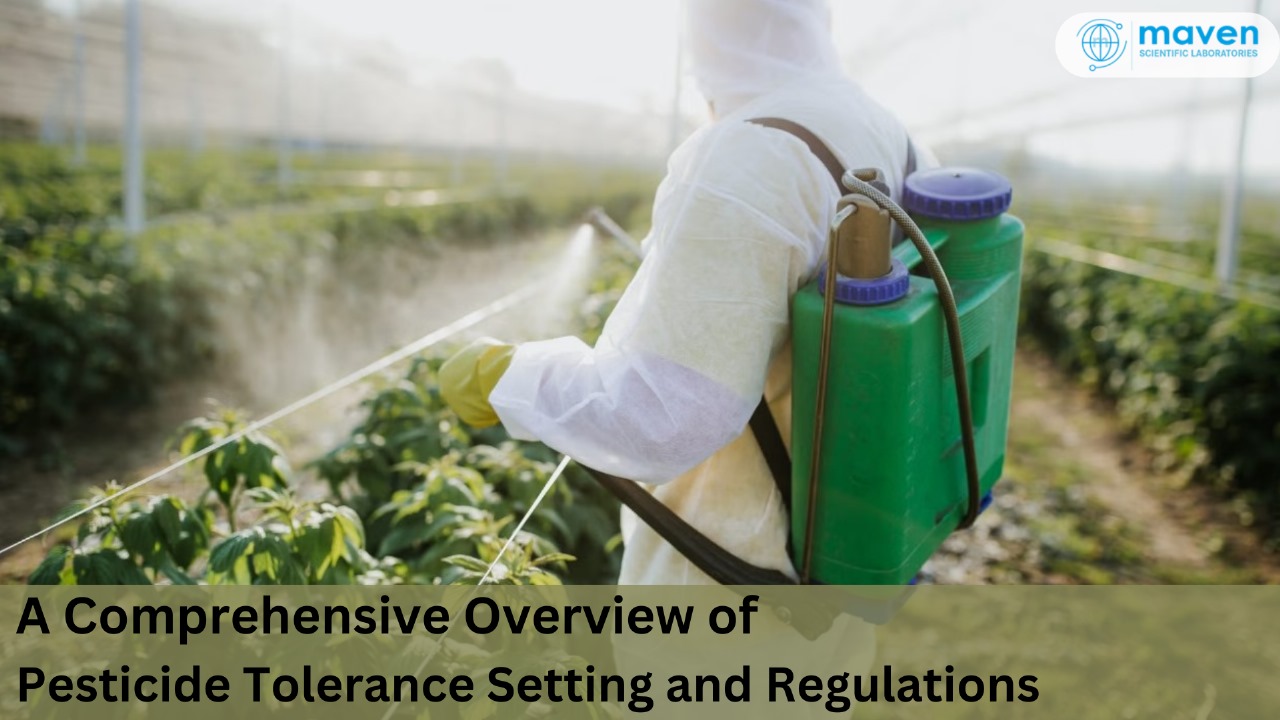
Pesticides play a critical role in modern agriculture by protecting crops from pests and diseases. However, ensuring that these chemicals do not pose risks to human health, or the environment is a complex process. In the U.S., the Environmental Protection Agency (EPA) is responsible for setting tolerances, or maximum residue limits (MRLs), for pesticide residues on food. The tolerance-setting process is driven by extensive scientific studies, evaluations, and risk assessments, all designed to protect public health.
Scientific Studies Behind Tolerance Setting
Before a tolerance can be set for a pesticide, the registrant (usually a pesticide company) must submit a comprehensive range of scientific data to the EPA. These studies are intended to assess:
- Toxicity: Potential harmful effects of the pesticide on humans, focusing on both short- and long-term impacts.
- Residue Levels: The amount of the chemical, or its breakdown products, likely to remain in or on food.
- Exposure Sources: Other potential routes of exposure, such as through household use or exposure in other environments.
Key Factors Considered in Risk Assessments
The EPA uses this data to conduct a thorough risk assessment, which helps determine whether the pesticide can be used safely. The risk assessment process includes consideration of several factors:
- Food Consumption Patterns: Data on the types and amounts of food that people consume is critical. The EPA specifically considers food consumption by infants and children, who are often more vulnerable to pesticide exposure.
Data Sources:
National Health and Nutrition Examination Survey (NHANES): Provides detailed data on the eating habits of the U.S. population.
Food Commodity Intake Database (FCID): Offers insights into specific commodity consumption rates.
- Pesticide Usage: The EPA also considers how widely a pesticide is used in agriculture, which can affect overall exposure levels. For instance, a pesticide applied to a staple crop like corn or wheat may pose a different risk than one used on a less commonly consumed crop.
- Detection Methods: An essential component of pesticide regulation is the ability to detect and measure pesticide residues in food. The EPA ensures that practical methods are available to regulatory officials to monitor and enforce these residue limits.
Regulatory Guidelines and Standards
Pesticide tolerance setting is not just about safety evaluations; it’s also about meeting regulatory requirements. Several guidelines influence this process:
- Federal Food, Drug, and Cosmetic Act (FFDCA): Under this law, the EPA is authorized to set pesticide tolerances to ensure that pesticide residues in food are safe for human consumption.
- Food Quality Protection Act (FQPA) of 1996: This act amended the FFDCA to require additional protections for infants and children, who are more vulnerable to pesticide exposure. It also mandates that the EPA consider cumulative exposure to multiple pesticides that share a common mechanism of toxicity.
- Good Laboratory Practice (GLP) Regulations: The data submitted for tolerance setting must comply with GLP standards, ensuring that all scientific studies are conducted with integrity and transparency.
- OECD Calculator: The EPA uses the Organisation for Economic Co-operation and Development (OECD) Maximum Residue Limit Calculator in the numerical portion of the tolerance-setting process. This tool helps harmonize international pesticide residue limits, making it easier to regulate pesticides globally.
International Standards
In addition to U.S. regulations, many countries follow international guidelines set by organizations like the Codex Alimentarius Commission, which establishes maximum residue limits (MRLs) for pesticides. These global standards are critical for facilitating international trade and ensuring food safety across borders.
Conclusion
The process of setting pesticide tolerances is driven by rigorous scientific studies, regulatory frameworks, and international guidelines, all aimed at protecting public health. The EPA's risk assessment ensures that pesticide residues in food are within safe limits and that effective monitoring and detection methods are in place. By adhering to strict regulatory guidelines, the U.S. continues to ensure the safety of its food supply, while balancing the needs of agricultural productivity.

Post a comment